Last month, I watched a barista at my local specialty shop meticulously blend crushed pistachios with espresso and steamed oat milk, creating what looked more like liquid art than coffee. The result? A creamy, nutty revelation that sold out within hours. This wasn't just another flavored latte—it was part of a global coffee revolution bringing international tastes to American cafés.
From the purple-hued ube lattes inspired by Filipino desserts to the viral Dubai chocolate mochas with their tahini-pistachio crunch, coffee culture is experiencing an unprecedented fusion of global flavors. These aren't gimmicky additions—they're sophisticated flavor profiles with centuries of culinary tradition behind them.
The Pistachio Coffee Renaissance: More Than Just Green
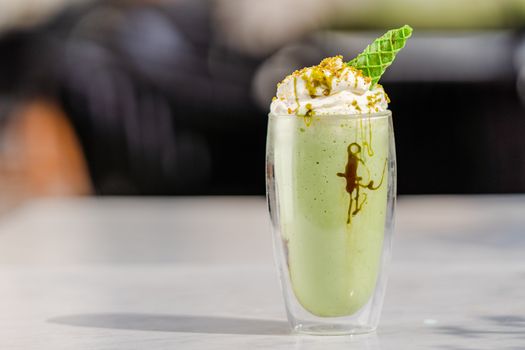
Pistachio coffee drinks have exploded beyond the basic syrup-laden versions you might remember. The real magic happens when cafés use actual pistachio butter or freshly ground nuts.
When I first tried a proper pistachio cortado at a Mediterranean-inspired coffee bar in Seattle, the barista explained they make their own pistachio cream using 2 parts raw pistachios to 1 part condensed milk, blended until silky smooth. The result delivers that distinctive nutty sweetness without the artificial candy-like flavor of commercial syrups.
Crafting Authentic Pistachio Coffee at Home
The key to exceptional pistachio coffee lies in the preparation method:
For Pistachio Cream Base:
- 1 cup shelled pistachios (soaked 2 hours)
- 1/2 cup sweetened condensed milk
- 1/4 cup whole milk
- Pinch of sea salt
Blend until completely smooth—this takes about 3 minutes in a high-speed blender like the Vitamix (available on Amazon). Store in the refrigerator for up to one week.
Pro tip: Lightly toast your pistachios for 5 minutes at 350°F before soaking. This intensifies the nutty flavor and adds a subtle roasted note that complements coffee beautifully.
Ube: The Purple Revolution in Coffee Culture
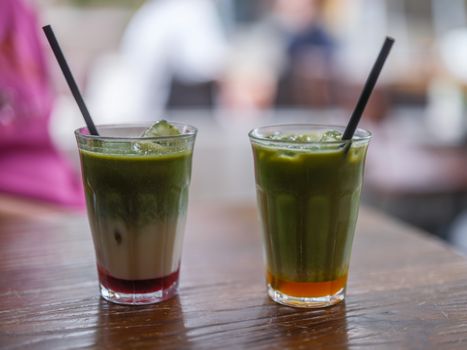
Ube (pronounced OO-beh) brings more than Instagram-worthy color to your cup. This Filipino purple yam offers an earthy, vanilla-like sweetness with subtle coconut undertones that pairs surprisingly well with coffee's acidity.
I was skeptical until I tried an ube cold brew at a Filipino-American café in Los Angeles. The barista used real ube paste—not artificial coloring—creating a drink that tasted like a cross between vanilla custard and sweet potato pie. The natural sugars in ube actually enhanced the coffee's chocolate notes rather than masking them.
Working with Real Ube
Authentic ube requires some sourcing effort. Look for frozen ube in Asian grocery stores, or order ube paste online. Avoid artificial ube flavoring—the real thing has complex flavor notes that artificial versions can't replicate.
Simple Ube Cold Brew Recipe:
- 2 tablespoons coarse ground coffee
- 1 cup cold water
- 2 tablespoons ube paste
- 1/4 cup coconut milk
- 1 tablespoon condensed milk
Steep coffee for 12-16 hours, then strain. Blend ube paste with coconut and condensed milk until smooth. Combine with cold brew and serve over ice.
Dubai Chocolate Meets Coffee: The Viral Sensation Explained
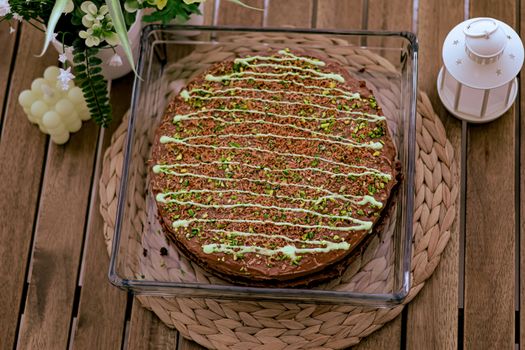
Dubai chocolate took social media by storm in 2024, and coffee shops quickly adapted this pistachio-tahini-filled chocolate bar concept into drinks. The combination sounds unusual—tahini's sesame flavor, crunchy pistachio bits, and rich chocolate—but it creates incredible depth.
The secret lies in balancing bitter tahini with sweet elements. Most successful Dubai chocolate mochas use a 2:1:1 ratio of chocolate syrup to tahini to pistachio butter, creating layers of flavor that evolve with each sip.
Creating the Dubai Chocolate Coffee Experience
Dubai Chocolate Mocha Components:
- 2 oz espresso
- 1 tablespoon dark chocolate syrup
- 1/2 tablespoon tahini
- 1/2 tablespoon pistachio butter
- 6 oz steamed milk
- Crushed pistachios for garnish
- Flaky sea salt
Whisk tahini and pistachio butter with hot espresso until smooth. Add chocolate syrup, then top with steamed milk. The key is getting that tahini properly incorporated—it can seize if added too quickly to hot liquid.
Horchata Coffee: Spanish Tradition Meets Modern Café Culture
Horchata's creamy, cinnamon-spiced profile creates natural synergy with coffee's warmth. Traditional Spanish horchata uses tiger nuts (chufa), while Mexican versions rely on rice and almonds. Both work beautifully in coffee applications.
Commercial horchata often contains stabilizers that can curdle when mixed with hot coffee. Making your own ensures smooth integration and better flavor control.
Homemade Horchata Coffee Blend
Quick Horchata Base:
- 1 cup whole milk
- 1/4 cup ground almonds
- 2 tablespoons rice flour
- 1 cinnamon stick
- 2 tablespoons sugar
- 1/4 teaspoon vanilla extract
Simmer milk with cinnamon stick for 10 minutes. Whisk in almond meal and rice flour until smooth. Strain and sweeten. This creates a stable base that won't separate when added to hot coffee.
Equipment Essentials for Global Flavor Fusion
Creating these international coffee drinks requires specific tools. A high-speed blender is crucial for smooth nut butters and pastes—I recommend the Fellow Ode grinder for consistent particle size when making your own pistachio meal. For milk steaming, the Breville Bambino Plus (available on Amazon) handles the various milk alternatives these recipes often require.
Temperature control matters significantly with these delicate flavors. Ube can become bitter if overheated, while tahini separates above 160°F. A reliable thermometer prevents costly mistakes.
Sourcing Quality Ingredients
Authentic ingredients make the difference between Instagram novelty and genuinely delicious drinks. For consistent coffee quality, Trade Coffee's subscription service offers globally-sourced beans that complement international flavors without overwhelming them.
Local Asian markets typically stock real ube and tahini. Middle Eastern grocers often carry higher-quality tahini than mainstream supermarkets. For pistachios, seek out Sicilian or Iranian varieties—they have more concentrated flavor than standard American pistachios.
The Future of Global Coffee Fusion
These flavor combinations represent more than trends—they reflect coffee culture's increasing sophistication and global connectivity. As specialty coffee continues evolving, expect to see more traditional international flavors adapted for modern café service.
The key to successful fusion lies in respecting both the coffee and the added flavors. The best examples enhance coffee's natural characteristics rather than masking them, creating harmony between cultures in every cup.