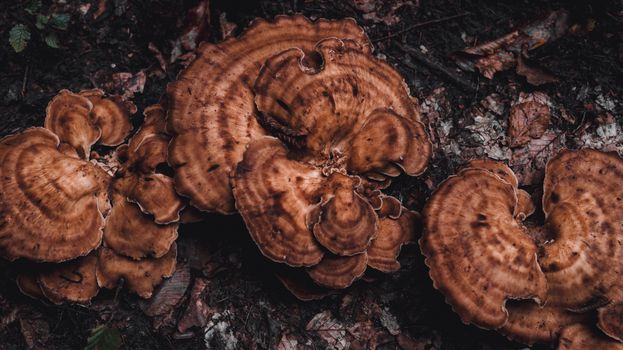
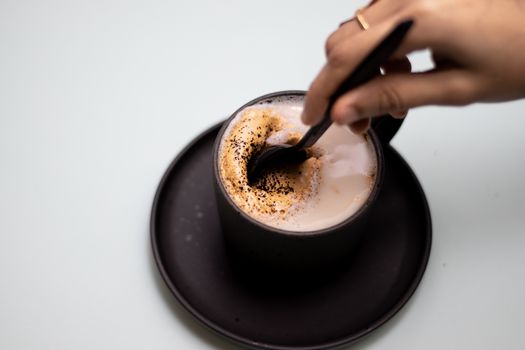
When I first heard about mushroom coffee three years ago, I'll admit I was skeptical. Mushrooms in my morning brew? It sounded like another wellness trend destined to fizzle out. But after testing Four Sigmatic's Lion's Mane coffee for six months and experiencing genuinely sharper focus during my morning writing sessions, I'm now a convert to the adaptogenic coffee movement.
Mushroom coffee combines regular coffee beans with powdered functional mushrooms like lion's mane, reishi, and chaga. These aren't your grocery store button mushrooms—they're adaptogens, compounds that may help your body manage stress and maintain balance. But do the benefits live up to the marketing claims?
The Science Behind Adaptogenic Mushrooms
Adaptogens are natural substances that theoretically help your body adapt to stressors and maintain homeostasis. The term was coined by Soviet scientist Nikolai Lazarev in 1947, but traditional medicine systems have used these mushrooms for centuries.
The most common mushrooms in coffee blends include:
Lion's Mane (Hericium erinaceus): Contains hericenones and erinacines, compounds that may stimulate nerve growth factor production. Some studies suggest it could support cognitive function and memory.
Reishi (Ganoderma lucidum): Often called the "mushroom of immortality," reishi contains triterpenes that may help with stress response and sleep quality. It's also rich in beta-glucans, which could support immune function.
Chaga (Inonotus obliquus): This birch tree parasite is loaded with antioxidants, particularly melanin. Research indicates it might help regulate immune responses and reduce inflammation.
Cordyceps (Cordyceps sinensis): Traditionally used to boost energy and endurance, cordyceps may enhance oxygen utilization and ATP production at the cellular level.
My Real-World Experience with Different Blends
I've tested seven different mushroom coffee brands over the past two years, tracking my energy levels, focus, and sleep quality. Here's what I discovered:
The most noticeable difference was with Mud/Wtr's blend containing lion's mane, chaga, reishi, and cordyceps. After drinking it daily for three weeks, I found myself less jittery than with regular coffee, yet equally alert. My afternoon energy crashes became less severe, though I still needed that 2 PM pick-me-up on particularly demanding days.
Interestingly, the taste varies dramatically between brands. Some taste almost identical to regular coffee with a slight earthy undertone, while others have a distinctly mushroomy flavor that took weeks to appreciate.
Potential Health Benefits
Cognitive Enhancement
Lion's mane shows the most promise for brain health. A 2019 study found that participants taking lion's mane extract showed improved cognitive performance compared to a placebo group. While most mushroom coffees contain relatively small amounts, regular consumption might provide cumulative benefits.
Stress Management
Reishi's adaptogenic properties may help regulate cortisol levels. I noticed this effect most prominently during a stressful work deadline—my usual evening anxiety was noticeably reduced when I switched from regular coffee to a reishi-heavy blend.
Immune Support
Beta-glucans in chaga and reishi may enhance immune function by activating certain white blood cells. However, most research has been conducted on concentrated extracts, not the amounts typically found in coffee blends.
Sustained Energy
Many users report smoother energy curves with mushroom coffee. The combination of caffeine with adaptogenic compounds might prevent the typical coffee crash, though individual responses vary significantly.
What to Look for in Quality Mushroom Coffee
Extract Ratios Matter
Check the extraction ratio on the label. A 10:1 ratio means 10 pounds of mushrooms were used to make 1 pound of extract. Higher ratios generally indicate more concentrated active compounds.
Organic Certification
Mushrooms absorb compounds from their growing environment, so organic certification reduces exposure to pesticides and heavy metals.
Third-Party Testing
Reputable brands provide certificates of analysis showing beta-glucan content and testing for contaminants.
Realistic Dosages
Effective dosages of lion's mane typically range from 500-1000mg daily. If a coffee blend contains only 50mg per serving, don't expect dramatic cognitive benefits.
The Trade-offs You Should Know
Cost Consideration
Mushroom coffee costs 3-5 times more than regular coffee. A month's supply typically ranges from $25-45, compared to $8-12 for equivalent premium coffee beans.
Taste Adjustment Period
Even the best mushroom coffees have an earthy undertone. Some people love it immediately, while others need 2-3 weeks to acquire the taste.
Limited Research
While individual mushroom studies show promise, research on mushroom coffee blends specifically is limited. Most benefits are extrapolated from studies using higher concentrations than found in commercial products.
Caffeine Content Varies
Some mushroom coffees contain less caffeine than regular coffee. If you depend on caffeine for energy, this might leave you feeling under-caffeinated.
How to Incorporate Mushroom Coffee Into Your Routine
Start Gradually
Begin with one cup every other day to assess tolerance. Some people experience mild digestive upset initially.
Time It Right
Drink mushroom coffee 30-60 minutes before mentally demanding tasks to potentially maximize cognitive benefits.
Consider Your Goals
- For focus: Choose blends heavy in lion's mane
- For stress relief: Look for reishi-dominant formulas
- For energy: Opt for cordyceps-containing blends
- For immune support: Prioritize chaga content
Quality Equipment Matters
For the best extraction of both coffee and mushroom compounds, I recommend using equipment from Fellow, particularly their Stagg EKG kettle for precise temperature control. Mushroom extracts are often heat-sensitive, so brewing at 195-200°F rather than boiling water preserves more beneficial compounds.
Making the Most of Your Investment
If you're curious about mushroom coffee but want to minimize upfront costs, consider starting with a subscription service like Trade Coffee, which sometimes features mushroom blends from artisanal roasters. This lets you try different brands without committing to large quantities.
For brewing equipment, Amazon offers affordable options for French presses and pour-over setups that work well with mushroom coffee blends. The key is consistent brewing parameters to properly extract both caffeine and mushroom compounds.
The Bottom Line
Mushroom coffee with adaptogenic benefits isn't a magic bullet, but it's not just marketing hype either. The research on individual mushrooms shows genuine promise, and many users report real benefits. However, the effects are typically subtle and develop over weeks or months of consistent use.
If you're dealing with stress, looking to optimize cognitive performance, or simply want to reduce coffee jitters, mushroom coffee might be worth trying. Just set realistic expectations, choose quality products with meaningful dosages, and give it at least a month to assess its effects on your body.
The adaptogenic mushroom trend appears here to stay, with more research emerging each year. While we wait for more definitive studies on coffee-specific blends, the existing evidence suggests that incorporating these functional fungi into your morning routine could offer subtle but meaningful health benefits.