Proffee — protein plus coffee — is one of the few social media drink trends with genuine substance behind it: 20–30 grams of protein in a drink you were already having, with no added sugar required. The catch is that most first attempts end in a clumpy, curdled mess, because protein powder and hot coffee have a chemistry problem nobody's TikTok mentions. This guide covers the mixing methods that actually work, exact recipes with real macro counts, and an honest look at when proffee makes sense and when it's just an expensive latte.
Why Your First Proffee Clumped
Whey and casein proteins start to denature — unfold and stick to each other — at around 160°F (71°C). Brewed coffee comes off the machine at 195–205°F. Stir whey into fresh hot coffee and you're making sad cottage cheese, not a latte.
Three ways around it, in order of reliability:
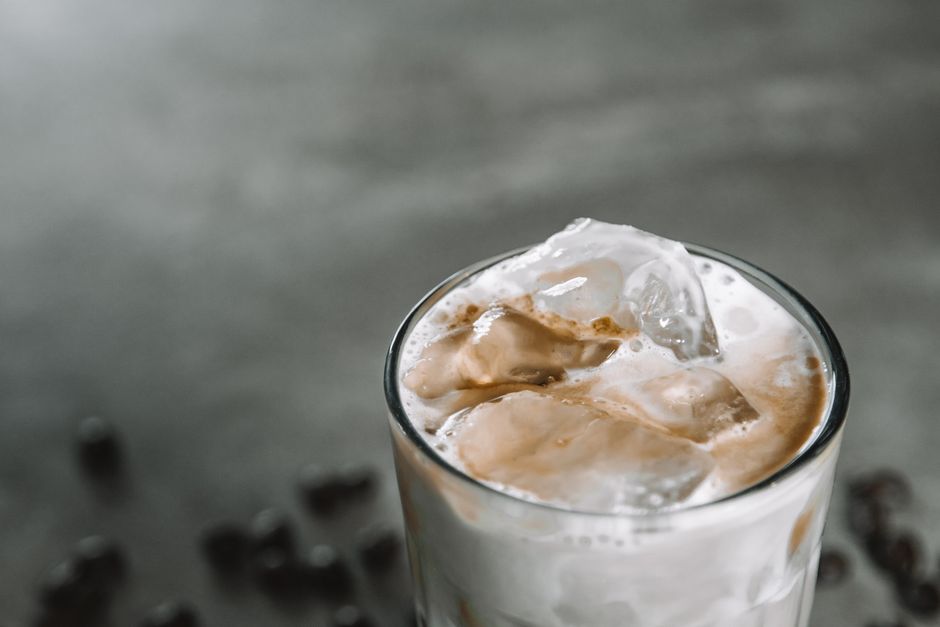
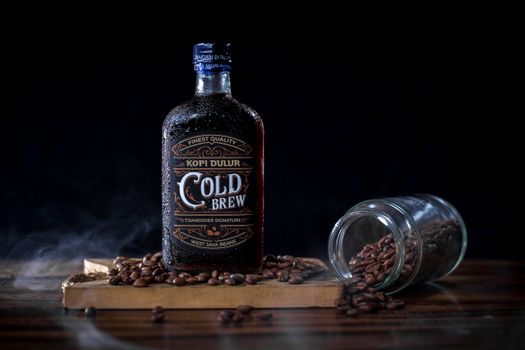
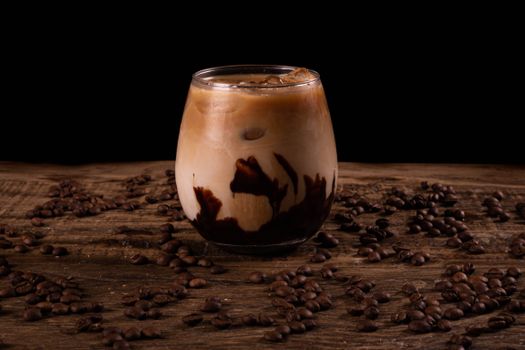
- Iced (the reason proffee went viral): chill the espresso or use cold brew, and the temperature problem disappears entirely. This is why nearly every viral proffee is iced.
- The pre-froth method for hot proffee: froth your protein into 3–4 oz of cool milk or water first with a handheld frother, then pour the hot coffee into it. The dilution and mixing shear keep curds from forming.
- Use collagen instead: collagen peptides dissolve clean at any temperature. The trade-off: collagen is an incomplete protein (it lacks tryptophan), so it's less effective for muscle recovery than whey — treat it as a texture-friendly protein boost, not a whey replacement.
For the deeper chemistry — and how mushroom blends fit into this — see our functional coffee guide.
The Core Recipe (Iced Proffee)
- 2 shots espresso (or 4 oz strong cold brew concentrate)
- 1 scoop (25–30 g) protein powder — vanilla or caramel work best with coffee
- 8 oz milk of choice, or water for lower calories
- Ice
Shake the protein with the milk first (shaker bottle or frother), add ice, pour the espresso over the top. Total time: about two minutes.
Recipes With Real Macros
Macros below assume one 30 g scoop of whey isolate (~110 kcal, 25 g protein) and are approximate — your powder's label wins.
| Recipe | Build | Calories | Protein |
|---|
| Lean iced proffee | Espresso + isolate + water + ice | ~110 | 25 g |
| Classic iced proffee | Espresso + isolate + 8 oz 2% milk | ~230 | 33 g |
| Caramel "frappuccino killer" | Cold brew + caramel whey + 4 oz milk, blended with ice | ~180 | 29 g |
| Hot proffee latte | Espresso + isolate pre-frothed in 4 oz warm milk | ~170 | 29 g |
| Mocha proffee | Espresso + chocolate whey + 1 tsp cocoa + 8 oz oat milk | ~260 | 28 g |
| Protein cold foam | Regular iced coffee topped with 1/2 scoop frothed in 2 oz cold milk | ~90 | 14 g |
The comparison that sells most people: a Starbucks Grande Caramel Frappuccino runs roughly 380 calories with 5 g of protein. The caramel proffee above delivers half the calories and nearly six times the protein.
Choosing a Powder for Coffee
- Whey isolate — the default choice: complete protein, mixes thinner than concentrate, nearly lactose-free. Vanilla and caramel flavors read as "flavored latte"; unflavored reads as slightly milky.
- Whey concentrate — cheaper, but more lactose and a heavier mouthfeel that can turn chalky in coffee.
- Clear whey isolates — juice-like powders marketed for mixing with water; most taste wrong with coffee's bitterness. Skip for proffee.
- Casein — thickens dramatically; only useful if you want a spoonable, milkshake-thick blended proffee.
- Plant blends — workable iced and blended; expect some grit hot. Pea-rice blends are the smoothest of the category.
- Collagen — dissolves invisibly hot or cold; incomplete amino profile, so pair it with protein elsewhere in your day.
One flag worth checking on flavored powders: some "coffee-flavored" proteins contain added caffeine (often 60–100 mg per scoop). Stacked on a double shot, you may be at 200+ mg before 9 a.m. — read the label if you're caffeine-sensitive.
Does Proffee Replace Breakfast?
Honestly: it depends what your breakfast was doing for you.
- As a protein top-up, proffee is excellent. Most people eating a pastry-and-coffee breakfast get under 10 g of morning protein; proffee triples that with fewer calories.
- As a full meal replacement, it falls short. A scoop of isolate in black coffee has near-zero fiber, no meaningful micronutrients, and roughly 110 calories — you will likely be hungry by 10 a.m. Pairing it with fruit, oats, or eggs makes a legitimately complete breakfast.
- For muscle recovery, timing matters less than the internet says. Total daily protein (a common evidence-based target is 1.6–2.2 g per kg of body weight for people training regularly) matters far more than whether you drink it at 7 a.m. or noon. Proffee's real value is making that daily total easier to hit.
Cost Math vs. the Coffee Shop
Home proffee: a $0.50–0.75 espresso dose plus a ~$1.00 scoop of quality isolate lands around $1.50–1.75 per drink. The coffee-shop equivalent — an iced latte with a protein add-on where offered — typically runs $6.50–8.00. Daily proffee at home saves roughly $150/month over the café habit it usually replaces, which quietly pays for a very good espresso setup within a year.
Common Mistakes
- Adding powder directly to hot coffee — always liquid-first, powder into the cooler component.
- Using a spoon — protein needs shear to disperse; a $15–25 handheld frother or a shaker bottle is non-negotiable equipment.
- Doubling the espresso and the caffeinated powder — check whether your flavored powder adds caffeine.
- Expecting it to taste like a milkshake with water only — the water-based version is functional, not indulgent; milk or oat milk is what makes proffee taste like a treat.
- Buying a "proffee-branded" RTD product at $4–5 a can — it's the same macros as the $1.50 homemade version with a marketing budget.
Frequently Asked Questions
What is proffee exactly?
Proffee is simply protein plus coffee — most commonly a scoop of protein powder or a bottled protein shake combined with espresso or cold brew over ice. It went viral as a low-sugar, high-protein alternative to sweetened coffee-shop drinks, and unlike most drink trends, the nutrition math genuinely holds up.
How do I make hot protein coffee without clumps?
Never add powder to hot coffee directly. Froth the protein into 3–4 oz of cool or lukewarm milk first, then pour the coffee into that mixture. Whey begins clumping around 160°F, so the goal is keeping the powder below that temperature until it's fully dispersed. Collagen peptides skip the problem entirely and dissolve at any temperature.
Is proffee good for weight loss?
It can help in the specific case where it replaces a high-calorie coffee drink or a low-protein breakfast — a 110-calorie, 25-gram-protein drink is far more filling per calorie than a 380-calorie blended drink with 5 grams. It has no fat-burning properties of its own; the benefit is satiety and easier daily protein targets.
Can I use a premade protein shake instead of powder?
Yes — pouring two espresso shots over ice into a bottled protein shake is the original viral version and works with zero clumping risk, since commercial shakes are pre-stabilized. It costs more per drink than powder ($2.50–4.00 vs. about $1.00 per serving) but is the most convenient option.
How much caffeine is in a typical proffee?
Two espresso shots contribute roughly 120–150 mg. Add another 60–100 mg if your protein powder is coffee-flavored with added caffeine — always check the label. That combined total still sits under the commonly cited 400 mg daily adult limit, but it's easy to stack accidentally if you drink two.