Iced coffee and cold brew both end up cold, but they're made in opposite ways — and that changes the flavor, the caffeine per glass, how long it keeps, and how much coffee you need. Here's how they differ and how to make each one well at home.
The Short Version
| Iced coffee | Cold brew |
|---|
| How it's made | Brewed hot, then chilled or poured over ice | Steeped in cold or room-temperature water |
| Brew time | 3–5 minutes | 12–18 hours |
| Flavor | Brighter, more aromatic, more acidity | Smooth, chocolatey, low perceived acidity, heavier body |
| Coffee needed | About the same as hot coffee | Roughly 1.5–3 times as much |
| Keeps in the fridge | Best the same day | Concentrate keeps about 1–2 weeks |
| Best for | Making a glass right now; fruity, light roasts | Batch prep; medium and dark roasts; people who find coffee too sharp |
What Is Iced Coffee?
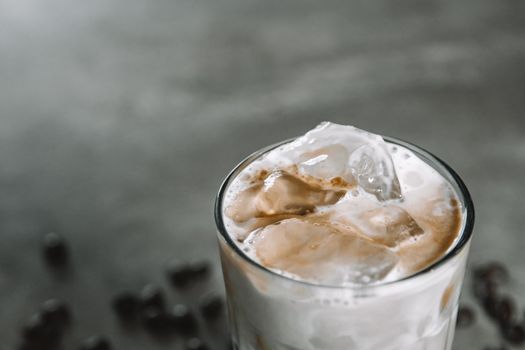
Iced coffee is regular hot-brewed coffee served cold. How it's chilled makes a big difference:
- Brewed and refrigerated: simple, but coffee that sits warm and slowly cools tends to taste flat and stale.
- Poured over a glass of ice: quick, but the ice melts and waters the coffee down unless you brew it stronger.
- Flash brew (Japanese-style iced coffee): the best version. You brew hot coffee directly onto ice, replacing part of the brewing water with ice so the final drink is the right strength. Chilling instantly locks in aroma.
How to make flash-brewed iced coffee
- Put 120 g of ice in your server or carafe.
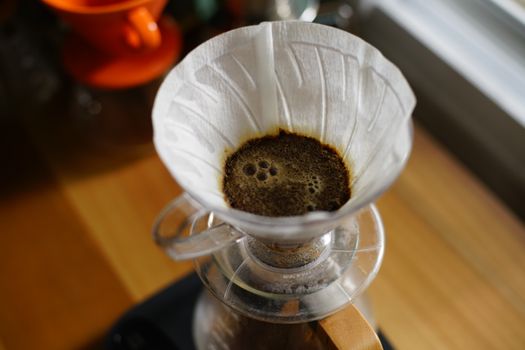
- Brew 20 g of coffee with 200 g of hot water (93–96°C / 200–205°F) using a pour over or drip method, grinding slightly finer than usual since you're using less water.
- Let it drip straight onto the ice, swirl until chilled, and pour over fresh ice.
The rule of thumb: keep your usual total ratio (here, 320 g of water + ice to 20 g of coffee) and make about 35–40% of it ice. Our pour over guide covers the brewing technique.
What Is Cold Brew?
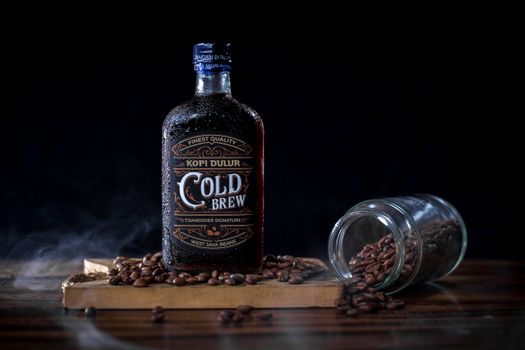
Cold brew is made by steeping coarsely ground coffee in cold or room-temperature water for 12–18 hours, then filtering it. Without heat, some compounds extract slowly or barely at all, which is why cold brew tastes rounder and less sharp than hot coffee. Most people make a strong concentrate and dilute it.
Basic concentrate: 100 g of coarse coffee to 500 g of water (1:5), steeped 12–18 hours, then filtered and diluted about 1:1 with water or milk. Our cold brew guide has the full method, and the coffee ratio calculator scales it to any batch size.
Key Differences Between Iced Coffee and Cold Brew
Flavor and acidity
Cold brew is widely described as "less acidic," but that needs a qualifier. A 2018 study in Scientific Reports (Rao and Fuller) found that cold brew and hot-brewed coffee had similar pH levels, while hot coffee had higher titratable acidity — the acids you actually taste. So cold brew tastes less sharp, but it isn't dramatically gentler in the chemical sense. If your stomach is sensitive to coffee, it may or may not help; try it and see.
Iced coffee — especially flash brew — keeps more of the bright, fruity, aromatic notes, which is why it suits light-roasted Ethiopian and Kenyan coffees. Cold brew suits chocolatey, nutty medium and dark roasts.
Caffeine
It depends almost entirely on the ratio. Cold brew concentrate is very strong per ounce; once diluted, a glass is often similar to — or somewhat stronger than — a glass of iced coffee. Coffee shops' cold brew is frequently higher in caffeine than their iced coffee because they use more coffee, not because cold brewing adds caffeine.
Cost and convenience
Cold brew uses much more coffee per glass, but you make it once and drink it all week. Iced coffee costs the same as hot coffee but needs brewing each time.
Which Method Is Right for You?
- Choose flash-brewed iced coffee if you want a glass in five minutes, love bright and fruity coffees, or already own a pour over or drip setup.
- Choose cold brew if you want grab-and-go coffee all week, prefer smooth and chocolatey flavors, or add a lot of milk.
Tips for Better Iced Coffee and Cold Brew
- Use fresh beans. Cold drinks mute aroma, so stale coffee tastes even flatter.
- Make coffee ice cubes from leftover coffee or cold brew so melting doesn't water down your drink.
- Grind coarse for cold brew. Fine grounds over-extract during a long steep and are hard to filter.
- Don't steep cold brew for more than about 24 hours — it turns woody and bitter.
- Keep cold brew concentrate sealed in the fridge and use it within about two weeks.
- Sweeten with simple syrup, not sugar — granulated sugar doesn't dissolve well in cold liquid.
The Verdict: Both Have Their Place
Neither is better; they're different drinks. Flash-brewed iced coffee is the brighter, fresher-tasting option you make on demand. Cold brew is the smoother, batch-friendly option you make once a week. If you drink cold coffee daily, it's worth knowing how to make both.
Frequently Asked Questions
Is cold brew stronger than iced coffee?
It depends on the ratio. Cold brew concentrate is very strong per ounce; once diluted, a glass is usually similar to or somewhat stronger than iced coffee, mainly because cold brew uses more coffee.
Is cold brew less acidic than hot coffee?
It tastes less sharp, but a 2018 study in Scientific Reports found cold brew and hot coffee had similar pH; hot coffee had higher titratable acidity, which is what you perceive as sharpness.
What is flash brew or Japanese iced coffee?
Hot coffee brewed directly onto ice, with about 35–40% of the brewing water replaced by ice. It chills instantly and keeps more aroma than coffee cooled in the fridge.
How long does cold brew last in the fridge?
Cold brew concentrate keeps about 1–2 weeks sealed in the fridge. Diluted cold brew and iced coffee are best within a day or two.