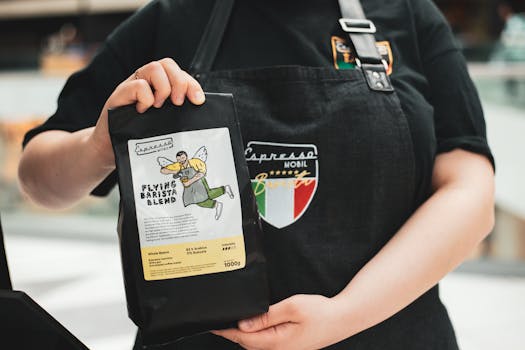
Last month, I stood in a Portland coffee shop staring at a $18 bag of beans labeled "direct trade," "carbon neutral," and "farmer-owned cooperative." The barista couldn't explain what any of it meant. That's when it hit me—sustainable coffee transparency has become a marketing maze that even coffee professionals struggle to navigate.
The harsh truth? Many sustainability claims in coffee are about as clear as mud. But some roasters are genuinely revolutionizing how we trace coffee from farm to cup. Let me walk you through what to look for and what to ignore.
The Certification Jungle: Decoding Coffee Labels
Fair Trade: More Complex Than You Think
Fair Trade certification guarantees farmers receive a minimum price plus a premium for community development. Sounds perfect, right? In my experience testing Fair Trade coffees from various roasters through Trade Coffee's subscription service, I've noticed the quality can be inconsistent—the certification focuses on social impact rather than cup quality.
The minimum price protection works when market prices drop below $1.40 per pound, but when specialty coffee trades above $2.50, Fair Trade premiums become less relevant. Still, the community development projects funded by Fair Trade premiums have built schools and water systems in coffee-growing regions.
Rainforest Alliance: Environmental Focus
Rainforest Alliance certification emphasizes biodiversity conservation and sustainable farming practices. Farms must maintain forest cover, protect water sources, and provide worker training. However, the certification allows conventional pesticide use under strict guidelines—something truly organic coffee avoids entirely.
Direct Trade: The Wild West
Unlike Fair Trade, "direct trade" has no standard definition. Some roasters use it to describe buying directly from farmers at premium prices. Others apply it to any relationship that skips traditional importers. When I visited Counter Culture Coffee's roastery in Durham, their buyer explained they pay 2-3 times Fair Trade minimums but don't pursue Fair Trade certification due to bureaucratic costs.
What True Transparency Looks Like
Supply Chain Visibility
Transparent coffee companies provide specific farm names, processing methods, and payment details. Look for roasters who publish:
- Exact farm locations (not just "Guatemala")
- Processing methods (washed, natural, honey)
- Payment amounts to farmers
- Harvest dates and shipping timelines
Sweet Maria's Coffee Supply sets the gold standard here, publishing detailed buying reports with GPS coordinates, farmer photos, and payment breakdowns for each lot.
Traceability Technology
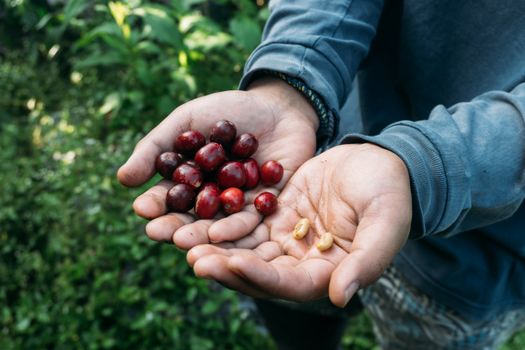
Blockchain technology now tracks coffee from cherry to cup. Moyee Coffee and Farmer Connect use QR codes that reveal the exact farmer, picking date, and processing details for individual bags. While still emerging, this technology offers unprecedented transparency.
Red Flags in Coffee Marketing
Vague Sustainability Claims
Avoid coffee marketed as "ethically sourced" or "sustainable" without specific certifications or details. These terms mean nothing without backing evidence.
Carbon Neutral Without Details
Many roasters claim carbon neutrality through offset purchases rather than reducing actual emissions. True climate action involves shipping optimization, renewable energy use, and supporting regenerative farming practices.
Single-Origin Confusion
Single-origin doesn't automatically mean sustainable or transparent. A coffee from one farm could still involve exploitative labor practices or environmental damage.
Finding Genuinely Transparent Coffee
Questions to Ask Roasters
1. Can you name the specific farm and farmer?
2. How much did you pay above commodity price?
3. Do you have a long-term buying relationship?
4. What environmental practices does the farm use?
5. How do you verify sustainability claims?
Reliable Transparency Indicators
Look for roasters who:
- Publish annual sustainability reports
- Share farmer stories with names and photos
- Provide detailed cupping notes and farm information
- Maintain multi-year buying relationships
- Support farmer education and equipment programs
Equipment for Supporting Sustainable Coffee
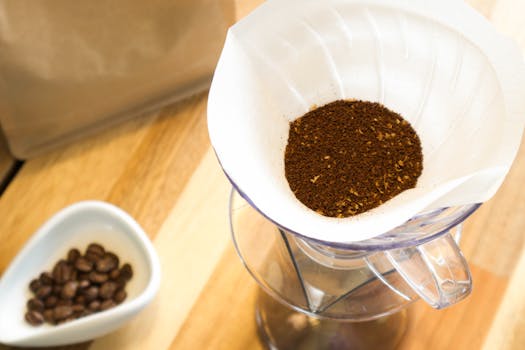
Investing in quality brewing equipment helps you extract maximum value from sustainably-sourced beans. The Fellow Ode Brew Grinder's precise grind consistency ensures you taste the subtle differences that justify premium payments to farmers. When brewing sustainable coffee, I use my Fellow Stagg EKG for temperature control—these expensive beans deserve precise brewing.
The Economics of Transparency
Why Transparent Coffee Costs More
Genuinely sustainable coffee requires:
- Premium payments to farmers (often 2-4x commodity prices)
- Smaller lot sizes increasing handling costs
- Quality control and verification expenses
- Long-term relationship investments
- Supply chain documentation systems
Expect to pay $16-25 per pound for truly transparent specialty coffee versus $8-12 for standard Fair Trade.
The Value Proposition
Transparent coffee delivers:
- Superior flavor from quality-focused farming
- Direct positive impact on farming communities
- Environmental benefits through sustainable practices
- Traceable supply chains ensuring authenticity
- Support for agricultural innovation
Beyond Certifications
The most sustainable choice might be uncertified coffee from a roaster with direct farmer relationships. Certification costs ($3,000-15,000 annually) can burden small farms, while large plantations easily afford multiple certifications without changing practices.
Supporting True Transparency
1. Choose roasters with detailed sourcing information
2. Subscribe to services like Trade Coffee that feature transparent roasters
3. Ask local coffee shops about their sourcing practices
4. Support roasters who visit origin regularly
5. Pay premium prices for documented sustainability
Building Coffee Literacy
Understanding coffee transparency requires ongoing education. Follow roasters on social media for origin trip updates, read coffee industry publications, and attend cupping sessions to understand quality differences that justify sustainability premiums.
The Future of Coffee Transparency
Emerging technologies promise even greater transparency. Satellite monitoring tracks deforestation, IoT sensors monitor farm conditions, and mobile payments provide direct farmer compensation. Within five years, scanning a QR code might reveal real-time farm data, weather conditions, and payment confirmations.
Meanwhile, climate change threatens coffee production in traditional regions. Supporting transparent, sustainable operations helps farmers adapt through improved farming techniques, crop diversification, and infrastructure investments.
Choosing transparent coffee isn't just about feeling good—it's about ensuring quality coffee remains available as the industry faces unprecedented challenges. When you understand what labels really mean, you can vote with your wallet for the coffee future you want to support.