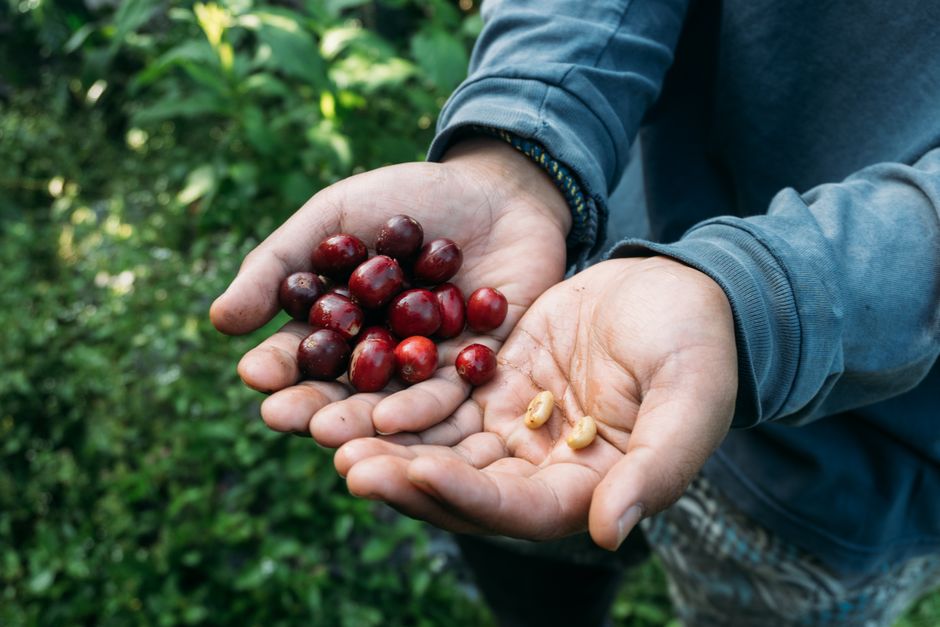
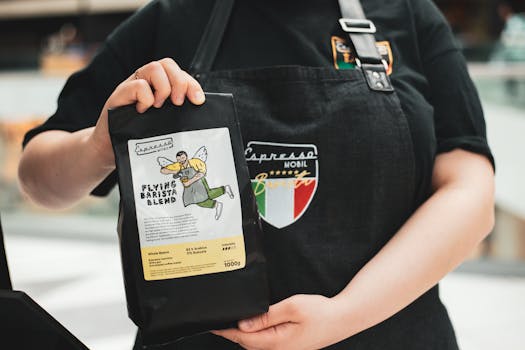
Last month, I held two bags of coffee that looked nearly identical on the shelf. Both claimed to be "ethically sourced" and "farmer-friendly." One cost $12, the other $18. The cheaper bag listed only "Central America" as its origin. The expensive one? It told me exactly which farm it came from, the farmer's name (Carlos Mendez), the elevation (1,650 meters), and even linked to a webpage showing his farming practices. The difference in my cup was night and day — but more importantly, I knew exactly where my money was going.
This experience crystallized something I'd been grappling with for years: transparency in coffee sourcing isn't just a marketing buzzword. It's the difference between supporting real farmers and funding a system that often keeps them in poverty.
What Coffee Transparency Actually Means
Transparency in coffee sourcing means having clear, verifiable information about every step of your coffee's journey — from the specific farm where it was grown to the roastery where it was prepared. True transparency includes:
- Farmer identification: Knowing who grew your coffee
- Farm location: Specific region, elevation, and growing conditions
- Pricing information: How much farmers actually received
- Processing methods: How the coffee was prepared after harvest
- Supply chain details: Every middleman and their role
- Quality metrics: Cupping scores and tasting notes from origin
Most coffee bags tell you almost none of this. They might mention a region or slap on a "fair trade" label, but that's where the story ends.
The Hidden Reality of Coffee's Supply Chain
The Commodity Coffee Problem
When you buy coffee labeled simply "Colombian" or "Ethiopian," you're likely purchasing commodity coffee — beans traded on international markets where farmers receive rock-bottom prices. These farmers often earn less than $1 per pound for coffee that sells for $12-15 per bag retail.
The traditional supply chain looks like this:
Farmer → Local Buyer → Exporter → Importer → Roaster → You
Each middleman takes their cut, and the farmer — who does the hardest work — gets the smallest share.
The Transparency Revolution
Transparent coffee companies are flipping this model. They work directly with farmers or use importers who provide detailed farm-level information. Some even publish their pricing, showing exactly how much they paid per pound.
When I visited Trade Coffee's cupping lab in 2023, their head of sourcing showed me spreadsheets detailing payments to specific farms. They knew not just the farm names, but the farmers' children's names and which ones were going to university thanks to coffee premiums. That's transparency in action.
How to Identify Truly Transparent Coffee
Red Flags to Avoid
Vague Origin Information: If the bag only lists a country or says "single origin" without specifics, transparency is likely low.
Generic Certifications Only: While Fair Trade and Organic certifications have value, they don't guarantee transparency. Many certified coffees still hide their supply chains.
Marketing-Heavy Language: Phrases like "ethically sourced" and "farmer-friendly" without supporting details are often meaningless.
Green Flags to Seek
Specific Farm Information: Look for farm names, farmer names, and precise locations.
Traceable Lot Numbers: Some roasters include lot numbers that link to specific harvests and processing details.
Pricing Transparency: A growing number of roasters publish what they paid for their coffee.
Direct Relationships: Roasters who visit farms and maintain multi-year partnerships.
Detailed Processing Notes: Information about fermentation methods, drying processes, and quality scores.
The Impact of Transparent Sourcing
For Farmers
Transparent sourcing typically means higher prices for farmers. Direct trade relationships often pay 2-3 times commodity prices. More importantly, transparency creates accountability — roasters can't claim to support farmers while paying poverty wages if their pricing is public.
For Coffee Quality
Transparency and quality go hand in hand. When roasters know exactly which farm and processing method produced their coffee, they can make better purchasing decisions. Farmers who receive feedback and fair prices are incentivized to improve their practices.
I've cupped hundreds of coffees over the years, and the most memorable ones — a honey-processed Geisha from Panama's Hacienda La Esmeralda, a natural Ethiopian from Yirgacheffe's Aricha washing station — came with detailed stories about their origins.
For Coffee Drinkers
Transparent coffee often costs more upfront, but the value is undeniable. You're getting:
- Higher quality beans from farmers paid sustainable wages
- Detailed information to guide your purchases
- Connection to the people who grew your coffee
- Supporting practices that improve the coffee industry long-term
Leading Examples of Coffee Transparency
Roasters Doing It Right
Counter Culture Coffee publishes detailed transparency reports showing farm locations, farmer payments, and relationship timelines. Their website includes photos and stories from origin trips.
Intelligentsia pioneered direct trade relationships in the 2000s and maintains detailed farm profiles for most of their coffees.
Sweet Maria's Coffee Supply goes beyond most by selling green coffee directly to home roasters with incredibly detailed farm information, processing notes, and even recommended roasting profiles.
Subscription Services
Services like Trade Coffee partner with transparent roasters, making it easier to access well-sourced beans. Their algorithms can match you with coffees that meet specific transparency criteria if that's important to you.
Making Better Coffee Choices
Start Simple
You don't need to become a coffee supply chain expert overnight. Start by choosing roasters who provide basic transparency: farm names, regions, and processing methods.
Ask Questions
Email roasters about their sourcing practices. Transparent companies love talking about their farmer relationships. Vague or evasive responses are telling.
Pay Attention to Pricing
Extremely cheap coffee is almost always poorly sourced. While expensive coffee isn't always transparent, true transparency usually commands higher prices.
Use Technology
Apps like Beanhunter and websites like Coffee Review often include sourcing information in their reviews.
The Equipment Connection
Transparent coffee deserves proper brewing. When you're paying premium prices for ethically sourced beans, you want to extract their full potential. I've found that precision brewing equipment from Fellow — like their Stagg EKG kettle with its precise temperature control — helps highlight the unique characteristics that make transparent coffee worth the investment.
The Future of Coffee Transparency
Blockchain technology is beginning to track coffee from seed to cup, creating unprecedented transparency. Some farms now use QR codes on their bags that link to detailed harvest and processing data.
Climate change is also driving transparency, as roasters need to understand farm-level conditions to secure future supply.
As consumers demand more information about their food and drink, coffee transparency will likely become standard rather than exceptional.
Making the Switch
Transitioning to transparent coffee doesn't require abandoning your current routine entirely. Start by replacing one bag of your regular coffee with something more transparent. Pay attention to the difference in taste, story, and your connection to what you're drinking.
The coffee industry has operated in shadows for too long, with farmers bearing the costs and consumers unaware of the impact of their purchases. Transparency changes everything — one bag at a time.