Every coffee bean starts as the seed of a fruit — a small red or yellow "cherry" that grows on an evergreen shrub in the tropics. Between that cherry and the bag in your kitchen are years of growing, weeks of harvesting, careful processing and drying, and months of shipping. Each step shapes how your coffee tastes. Here's how it works.
The Coffee Plant: Understanding What We're Growing
Coffee plants are evergreen shrubs of the genus Coffea. Almost all commercial coffee comes from two species, arabica and robusta (see our arabica vs robusta guide). Left alone, plants can grow several meters tall; on farms they're pruned to a height pickers can reach.
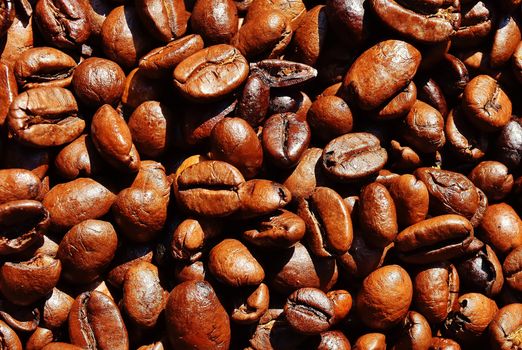
Each cherry normally contains two seeds facing each other — the flat side of a coffee bean is where they touched. In a small percentage of cherries only one round seed develops; these are called peaberries and are sometimes sold separately.
Climate and Growing Conditions
Coffee grows in the tropical "bean belt" between the Tropics of Cancer and Capricorn. Arabica needs:
- Moderate temperatures — roughly 15–24°C, without frost.
- Altitude — higher elevations (often 1,000–2,200 m near the equator) slow ripening, which builds more sugar and acidity.
- Rainfall with a dry season — rains trigger flowering, and a dry period helps harvest and drying.
- Shade or partial shade in many regions, which slows ripening and protects soil.
Robusta grows at lower, hotter altitudes and is more resistant to disease. Our guide to famous coffee regions shows how these conditions play out around the world.
The Growing Process: From Seed to Tree
- Seedlings: seeds are planted in nurseries and grown under shade for several months to a year.
- Planting out: young plants move to the field, often among shade trees.
- First harvest: it typically takes 3–4 years before a plant produces a meaningful crop.
- Flowering: after rains, plants burst into small, white, jasmine-scented flowers that last only a few days.
- Fruit development: arabica cherries take roughly 7–9 months to ripen from flowering; robusta takes longer.
A single plant produces surprisingly little: estimates vary, but one plant's annual harvest typically amounts to around a pound of roasted coffee.
Coffee Harvesting: Timing Is Everything
Cherries on the same branch ripen at different times, and ripeness has a huge effect on flavor — underripe cherries taste sour and astringent, overripe ones taste fermented. There are three harvesting methods:
| Method | How it works | Quality | Where it's common |
|---|
| Selective hand-picking | Pickers pass through the farm repeatedly, picking only ripe cherries | Highest | Specialty farms, mountainous regions |
| Strip picking | All cherries are stripped from a branch at once, ripe or not | Mixed; needs sorting | Lower-cost production |
| Mechanical harvesting | Machines shake cherries off the plants | Mixed; needs sorting | Large, flat farms, especially in Brazil |
It takes roughly 5–6 kg of fresh cherries to produce 1 kg of green coffee.
Processing Methods: From Cherry to Green Bean
Processing removes the fruit and dries the seed, and it's one of the biggest influences on flavor.
| Process | What happens | Flavor effect |
|---|
| Washed | Skin and pulp are removed mechanically; the sticky mucilage is fermented off over roughly 12–72 hours; beans are washed and dried | Clean, bright, clear acidity; shows origin character |
| Natural (dry) | Whole cherries dry in the sun on patios or raised beds for several weeks | Fruity, sweet, heavy body; sometimes winey |
| Honey / pulped natural | Skin removed, but some sticky mucilage left on during drying | Sweet and rounded; between washed and natural |
| Wet-hulled | Parchment removed while the bean is still moist (mainly Indonesia) | Earthy, herbal, low acidity, heavy body |
Producers also experiment with controlled fermentation — anaerobic, carbonic maceration, and more — to create distinctive flavors.
Drying
Whatever the process, beans must be dried slowly and evenly to about 10–12% moisture. Too fast or uneven drying damages flavor and shelf life; too slow risks mold.
From Farm to Export
- Resting: dried coffee in its parchment layer rests for weeks to stabilize.
- Hulling: the parchment (or dried fruit, for naturals) is removed at a dry mill, leaving green coffee.
- Sorting and grading: beans are sorted by size (screen size), density, and color, and defective beans are removed by machine and by hand.
- Bagging and shipping: green coffee ships in jute bags — often 60 kg, though some countries use 69 or 70 kg bags — frequently with an inner liner to protect freshness.
- Roasting: roasters in consuming countries roast it, which develops the flavors we recognize as coffee.
Quality Control and Grading
Exporters and buyers evaluate green coffee for defects and then cup it — brew and taste it under standardized conditions. Coffees scoring 80 points or more on the SCA scale are considered specialty grade. Our guide to what specialty coffee is explains the grading system, and our tasting guide shows how to cup at home.
Challenges in Coffee Cultivation
- Climate change: rising temperatures and erratic rainfall are shrinking the land suitable for arabica. A widely cited 2015 study in Climatic Change (Bunn et al.) projected that the area suitable for coffee could fall by around half by 2050 under some scenarios.
- Coffee leaf rust: a fungal disease that devastated Central American farms in an outbreak beginning in 2012.
- Coffee berry borer: a beetle that bores into cherries and damages beans.
- Price volatility: farmers' income depends on a commodity price that can double or halve within a couple of years — see why coffee is so expensive in 2026.
- Labor: selective picking is labor-intensive, and many coffee regions face labor shortages as younger people leave farming.
Sustainable and Specialty Growing Practices
Shade-grown farming, careful soil management, disease-resistant varieties, and long-term buying relationships that pay premiums for quality all help farms stay viable. When you buy traceable coffee with detailed origin information from roasters who share how they source, more of what you pay is more likely to reward the quality work done at the farm.
Frequently Asked Questions
How long does it take a coffee plant to produce coffee?
Typically 3–4 years from planting before a meaningful harvest, and arabica cherries take about 7–9 months to ripen after flowering.
How is coffee harvested?
By selective hand-picking of only ripe cherries (best quality), strip picking of whole branches, or mechanical harvesting on large, flat farms. Strip-picked and machine-harvested coffee needs careful sorting.
What is the difference between washed and natural coffee?
Washed coffee has the fruit removed before drying, giving a clean, bright cup. Natural coffee dries inside the whole cherry, giving fruitier, heavier flavors.
How much coffee cherry makes a pound of coffee?
Roughly 5–6 kg of fresh cherries produce 1 kg of green coffee, which loses further weight during roasting.