Beans & Roasts

Best Single Origin Coffee Beans: Ultimate Guide for 2024

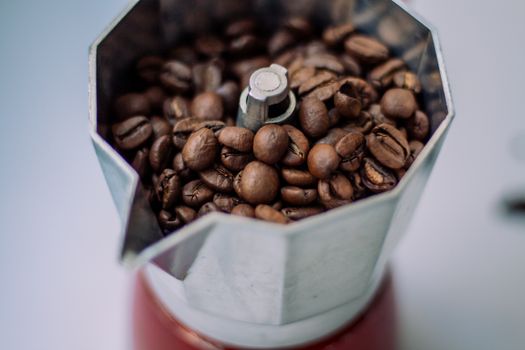
Detailed macro shot of roasted coffee beans highlighting texture and color.
Photo by Pixabay on Pexels

There's something magical about sipping a cup of coffee and tasting the exact terroir where those beans grew. Single origin coffee beans offer this incredible journey—each cup tells the story of a specific farm, region, or even a single plot of land. If you're ready to explore the world through your coffee cup, you've come to the right place!

What Makes Single Origin Coffee Beans Special?

Single origin coffee beans come from one specific location, whether that's a single farm, estate, or geographic region. Unlike blends that combine beans from multiple sources, single origins showcase the unique characteristics of their birthplace—the soil, climate, altitude, and processing methods all contribute to a distinctive flavor profile that's impossible to replicate anywhere else.

Affiliate Disclosure: This article contains affiliate links. If you buy through these links, we may earn a small commission at no extra cost to you. We only recommend products we genuinely believe in. Learn more →

Think of it like wine from a specific vineyard. Just as a Bordeaux tastes different from a Napa Valley vintage, Ethiopian Yirgacheffe beans offer completely different notes than Guatemalan Antigua beans. This traceability and uniqueness are what make single origin coffees so exciting for coffee enthusiasts.

Top Single Origin Coffee Regions and Their Flavor Profiles

Ethiopia: The Birthplace of Coffee

Ethiopian single origin beans are legendary for good reason. This is where coffee originated, and the genetic diversity here is unmatched. Ethiopian coffees typically offer bright, wine-like acidity with floral and fruity notes.

Yirgacheffe: Known for its tea-like body and intense floral aromatics, often with notes of lemon, bergamot, and jasmine.

Sidamo: Offers a perfect balance of wine-like acidity and full body, with complex fruit flavors ranging from blueberry to chocolate.

Jamaica: Blue Mountain Excellence

Jamaican Blue Mountain coffee is often considered the gold standard of single origins. Grown at high altitudes in the Blue Mountains, these beans develop slowly, creating an incredibly smooth, mild flavor with subtle chocolate and nut undertones. The limited growing region and meticulous processing make these beans highly sought after.

Hawaii: Kona's Unique Character

Hawaiian Kona coffee is the only commercially grown coffee in the United States. The volcanic soil and tropical climate of the Kona district create beans with a smooth, rich flavor profile featuring notes of macadamia nuts, chocolate, and a hint of spice. The consistent climate allows for year-round harvesting, ensuring exceptional quality control.

Guatemala: Complex and Balanced

Guatemalan single origins, particularly from the Antigua region, are beloved for their full body and complex flavor profile. The volcanic soil and high altitude create beans with chocolatey sweetness balanced by bright acidity, often with notes of spice, nuts, and citrus.

Colombia: Consistently Excellent

Colombian single origins offer remarkable consistency and balance. The high altitude and volcanic soil create beans with medium body, bright acidity, and flavors ranging from caramel and chocolate to tropical fruits, depending on the specific region.

Panama: Geisha's Home

Panama has gained international recognition, especially for Geisha variety beans. These single origins often feature incredible floral aromatics, tea-like body, and complex fruit flavors that can command premium prices at coffee auctions.

How to Choose the Best Single Origin Coffee Beans

Consider Your Flavor Preferences

Start by thinking about what you enjoy in coffee. Do you prefer bright, acidic coffees that wake up your palate, or do you gravitate toward smooth, chocolatey profiles? Your taste preferences should guide your single origin selection:

  • Bright and Fruity: Look for Ethiopian or Kenyan origins
  • Smooth and Balanced: Try Colombian or Guatemalan beans
  • Rich and Chocolatey: Brazilian or Honduran origins might be perfect
  • Unique and Complex: Explore Panama Geisha or Yemen Mocha

Check the Roast Date

Freshness is crucial for single origin coffee beans. Look for beans roasted within 2-4 weeks of your purchase date. Single origins are particularly sensitive to staleness because their delicate flavor notes can quickly fade.

Understand Processing Methods

The processing method significantly impacts flavor:

  • Washed/Wet Process: Creates clean, bright flavors that highlight acidity
  • Natural/Dry Process: Produces fruity, wine-like characteristics with more body
  • Honey Process: Offers a middle ground with sweetness and complexity

Buy from Reputable Sources

Quality matters immensely with single origin beans. Consider subscription services like Trade Coffee, which curates exceptional single origins from top roasters nationwide. Their coffee quiz helps match you with beans that suit your taste preferences, and you'll discover roasters you might never find otherwise.

Brewing Single Origin Coffee: Getting the Most from Your Beans

Choose the Right Equipment

Single origin coffees deserve proper brewing equipment to showcase their unique characteristics. Consider investing in quality gear:

You can find quality brewing equipment on Amazon, from basic setups to professional-grade gear.

Dialing in Your Brew

Single origins often require fine-tuning to achieve optimal extraction:

1. Start with a 1:16 ratio (1g coffee to 16g water) 2. Adjust grind size based on taste—finer for more extraction, coarser for less 3. Control water temperature—195-205°F works for most single origins 4. Time your brew—aim for 4-6 minutes for pour-over methods

Tasting Notes and Cupping

To fully appreciate single origin coffee beans, practice mindful tasting:

1. Smell the dry grounds before brewing 2. Note the aroma as you pour hot water 3. Taste systematically—acidity, body, sweetness, finish 4. Compare different origins to develop your palate

Storing Your Single Origin Coffee Beans

Proper storage preserves the delicate flavors that make single origins special:

  • Airtight containers prevent oxidation
  • Cool, dark locations slow degradation
  • Avoid the freezer—it can damage bean structure
  • Buy smaller quantities to ensure freshness
  • Use within 2-4 weeks of roast date for optimal flavor

The Economics of Single Origin Coffee

Understanding Premium Pricing

Single origin coffee beans typically cost more than blends, and there are good reasons:

  • Limited quantities from specific farms or regions
  • Quality control throughout the supply chain
  • Direct trade relationships that ensure fair farmer compensation
  • Processing complexity for unique flavor development
  • Transportation costs from remote growing regions

Getting Value from Your Purchase

While single origins represent an investment, you can maximize value:

  • Buy whole beans and grind just before brewing
  • Purchase appropriate quantities to avoid waste
  • Experiment with brewing methods to explore different flavor profiles
  • Share with friends to discover new favorites together

Supporting Sustainable Coffee Practices

Many single origin coffee farms prioritize sustainability and ethical practices. When choosing beans, look for:

  • Direct trade certifications ensuring fair farmer compensation
  • Organic growing practices that protect the environment
  • Shade-grown coffee that preserves biodiversity
  • Women-owned farms supporting gender equality in coffee
  • Community development programs that improve local infrastructure

Building Your Single Origin Coffee Journey

Start with Classics

Begin your single origin exploration with well-known regions that offer consistent quality and approachable flavor profiles. Ethiopian Yirgacheffe, Colombian Huila, and Guatemalan Antigua are excellent starting points.

Keep a Tasting Journal

Document your experiences with different single origin coffee beans. Note the origin, roaster, processing method, and your impressions. This helps you identify patterns in your preferences and discover new favorites.

Explore Seasonality

Coffee is an agricultural product with harvest seasons. Embrace the seasonality by trying different origins throughout the year as fresh crops become available.

Conclusion: Your Perfect Cup Awaits

The world of single origin coffee beans offers endless exploration and discovery. Each cup represents the dedication of farmers, the uniqueness of terroir, and the craft of roasting. Whether you're drawn to the floral elegance of Ethiopian beans or the balanced richness of Guatemalan coffee, there's a single origin waiting to become your new favorite.

Start your journey with quality beans from trusted sources, invest in proper brewing equipment, and most importantly, approach each cup with curiosity and enthusiasm. The best single origin coffee beans aren't just about caffeine—they're about connection, discovery, and the joy of exceptional flavor.

Remember, the best single origin coffee is ultimately the one that brings you the most enjoyment. So explore, experiment, and savor every sip of your coffee journey!

☕ Brewing Methods Compared
Product Price Highlights Rating Buy
AeroPressBest Overall
Best for: Versatility & travel
$35–$45
  • Fastest brew (under 2 min)
  • Ultra portable
  • Easy to clean
★★★★★ Buy on Amazon →
Hario V60
Best for: Clarity & bright flavors
$20–$50
  • Exceptional flavor clarity
  • Beginner-friendly
  • Wide filter selection
★★★★½ Buy on Amazon →
Chemex
Best for: Clean & smooth coffee
$40–$60
  • Elegant design
  • Makes large batches
  • Very clean cup
★★★★½ Buy on Amazon →
French PressBest for Beginners
Best for: Rich, full-bodied coffee
$20–$50
  • No paper filters needed
  • Easy to use
  • Great body and oils
★★★★☆ Buy on Amazon →
Moka Pot
Best for: Espresso-style on a budget
$25–$50
  • Strong concentrated coffee
  • Stovetop — no electricity
  • Very durable
★★★★☆ Buy on Amazon →

Frequently Asked Questions

What's the difference between single origin and blend coffee?

Single origin coffee comes from one specific location (farm, region, or country), showcasing unique characteristics of that place. Blends combine beans from multiple origins to create a consistent flavor profile and often balance different characteristics.

Are single origin coffee beans more expensive?

Generally yes, single origin beans cost more due to limited quantities, quality control throughout the supply chain, direct trade relationships, and the unique processing required to highlight their distinctive flavors.

How should I store single origin coffee beans?

Store single origin beans in airtight containers in a cool, dark place. Avoid the freezer and use within 2-4 weeks of the roast date for optimal flavor. Buy smaller quantities to ensure freshness.

What's the best brewing method for single origin coffee?

Pour-over methods like V60, Chemex, or AeroPress work excellently for single origin coffee as they highlight the unique characteristics. The key is using proper ratios (1:16), correct grind size, and water temperature (195-205°F).

Which single origin coffee is best for beginners?

Ethiopian Yirgacheffe, Colombian beans, or Guatemalan Antigua are excellent starting points. They offer approachable flavor profiles while still showcasing the unique characteristics that make single origins special.

MW
Marcus Webb Lead Editor & Coffee Expert

Marcus Webb spent a decade roasting and sourcing specialty coffee at independent roasteries across the Pacific Northwest before turning his passion into writing. He holds a certification from the Specialty Coffee Association (SCA) and has tested hundreds of brewing methods, grinders, and beans so you don't have to. His goal: help every home brewer pull a cup they're genuinely proud of.

Brewing Methods Grinder Reviews Bean Sourcing Espresso
Twitter Instagram Pinterest

You Might Also Like

High-angle view of roasted coffee beans in a stainless steel Moka pot, ready for brewing.
9 min read
Best Coffee Beans for Espresso: Perfect Shots Every Time
A stylish mug with floral design reading 'Best Mom Ever', perfect for Mother's Day gift ideas.
9 min read
Best Coffee Gifts for Coffee Lovers: Ultimate Guide 2024
Comparison of a vintage pink telephone receiver and a modern smartphone on a simple backdrop.
9 min read
AeroPress vs French Press: The Ultimate Coffee Brewing Guide