Where coffee grows shapes how it tastes — through altitude, climate, soil, the varieties farmers plant, and the processing methods each region favors. This guide covers the world's most important and most famous coffee regions, what their coffees typically taste like, and what to look for on a bag.
The Coffee Belt
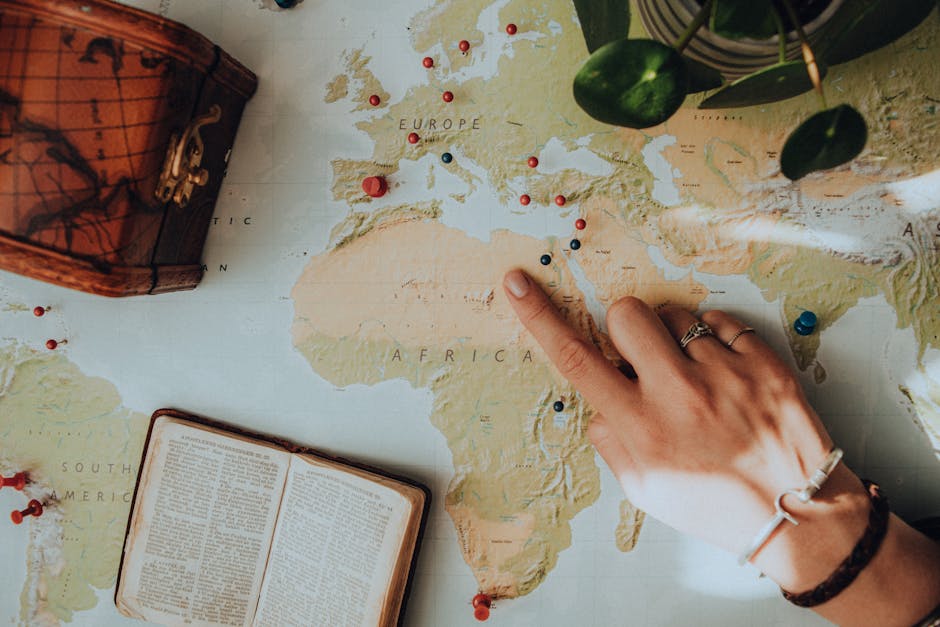
Nearly all coffee grows in the "bean belt" between the Tropic of Cancer and the Tropic of Capricorn. Arabica — the species behind almost all specialty coffee — does best at higher altitudes (roughly 1,000–2,200 meters near the equator), where cooler temperatures slow the cherries' ripening and build more sugar and acidity. Robusta grows in hotter, lower areas. (Our arabica vs robusta guide explains the difference.)
Regions at a Glance
| Region | Known for | Typical flavor |
|---|
| Ethiopia | The birthplace of arabica; enormous genetic diversity | Floral and citrus (washed) or blueberry and wine (natural) |
| Kenya | Intense, juicy washed coffees | Blackcurrant, grapefruit, savory-sweet acidity |
| Colombia | Balanced, sweet coffees and two harvests a year in many regions | Caramel, red apple, cocoa |
| Brazil | The world's largest producer | Nutty, chocolatey, low acidity |
| Central America | Clean, sweet, well-structured coffees | Chocolate, brown sugar, citrus, stone fruit |
| Indonesia | Wet-hulled processing | Earthy, herbal, heavy body |
| Yemen | Centuries-old coffee trade | Dried fruit, spice, wine |
| Jamaica & Hawaii | Famous, scarce, expensive island coffees | Mild, smooth, balanced |
Ethiopia: The Birthplace of Coffee
Arabica originated in the forests of southwestern Ethiopia, and the country still grows thousands of indigenous varieties — often labeled simply "heirloom" or with a local variety name. Coffee is grown mostly on small plots by smallholder farmers and delivered to washing stations.
- Key regions: Yirgacheffe, Sidama, Guji, and Harrar.
- Washed coffees (common in Yirgacheffe) are delicate and tea-like, with jasmine, bergamot, and lemon.
- Natural coffees (Guji, Sidama, Harrar) are big and fruity — blueberry, strawberry, and red wine.
Kenya: Bright and Juicy
Kenyan coffee is prized for vivid, complex acidity. Much of it comes from varieties developed in the 1930s (SL28 and SL34) and is carefully washed and sun-dried on raised beds. "AA" on a Kenyan bag refers to bean size — the largest screen size — not directly to flavor quality.
- Key regions: Nyeri, Kirinyaga, Murang'a, Embu.
- Typical flavors: blackcurrant, grapefruit, tomato-like savory sweetness, heavy juicy body.
Colombia: The All-Rounder
Colombia is one of the world's largest arabica producers. Its mountainous geography means many regions have two harvests a year — a main crop and a smaller "mitaca" — so fresh Colombian coffee is available much of the year.
- Key regions: Huila, Nariño, Cauca, Antioquia, Tolima.
- Typical flavors: caramel, red apple, citrus, cocoa, with balanced acidity. Southern, high-altitude regions like Nariño and Huila tend to be brighter.
Brazil: The Giant
Brazil produces roughly a third of the world's coffee. Much of it is grown on large, relatively flat farms at lower altitudes, harvested mechanically, and processed as natural or pulped natural. Brazilian coffee is the backbone of many espresso blends.
- Key regions: Cerrado Mineiro, Sul de Minas, Mogiana, Chapada Diamantina.
- Typical flavors: peanut, hazelnut, milk chocolate, low acidity, heavy body.
Central America's Coffee Corridor
- Guatemala (Antigua, Huehuetenango, Atitlán): chocolate, toffee, orange, and spice; volcanic soils and high altitudes.
- Costa Rica (Tarrazú, West Valley, Central Valley): clean and sweet; known for "micromills" and honey processing.
- Honduras — Central America's largest producer (Marcala, Santa Bárbara): caramel, stone fruit, often great value.
- Panama (Boquete, Volcán): home of the celebrated Geisha variety, which drew worldwide attention after winning the Best of Panama competition in 2004 and now regularly sets auction price records. Intensely floral, with jasmine and tropical fruit.
- El Salvador and Nicaragua: sweet, balanced coffees, including the large-bean Pacamara variety from El Salvador.
South America Beyond Brazil and Colombia
- Peru: a major producer of organic coffee; soft, sweet, and nutty.
- Ecuador and Bolivia: smaller volumes but some exceptional high-altitude lots.
Indonesia: Earthy and Heavy
Indonesia's signature is wet-hulling (giling basah): the parchment is removed while the beans are still moist, then they finish drying. The result is low acidity and heavy body with earthy, herbal, cedar-like flavors.
- Sumatra: the classic — earthy, herbal, dark chocolate.
- Sulawesi (Toraja): slightly cleaner, with spice.
- Java: historically important; the source of the "Java" nickname for coffee.
Yemen: Ancient Coffee Traditions
Coffee was first cultivated and traded as a drink in Yemen, shipped from the port of Al-Makha — the origin of the word "mocha." Yemeni coffee is grown on terraced mountainsides with very little water and is traditionally dried as whole cherries.
- Typical flavors: dried fruit, raisin, spice, cocoa, wine. Supply is limited and prices are high.
Jamaica and Hawaii: Famous Island Coffees
- Jamaica Blue Mountain is a legally protected designation from the Blue Mountains near Kingston. It's known as mild, smooth, and balanced, and its scarcity makes it one of the most expensive coffees; historically, much of the crop has been exported to Japan.
- Hawaii's Kona coffee is grown on the slopes of the Big Island's Hualālai and Mauna Loa volcanoes. It's smooth and mild with gentle acidity. Read labels carefully: under Hawaii law, a "Kona blend" needs to contain only 10% Kona coffee.
Africa's Rising Origins
Rwanda and Burundi produce bright, elegant coffees with red fruit and black tea notes. Uganda and Tanzania grow both arabica and robusta. Lots from Rwanda and Burundi occasionally have a "potato defect" — an earthy, raw-potato aroma linked to insect damage — which careful sorting minimizes.
How to Explore Coffee Regions
The best way to understand origin is to taste two coffees side by side — for example, a washed Ethiopian and a Brazilian natural. Our coffee tasting guide shows how, and our single-origin coffee guide suggests which origins to try for which flavors. To see how farming and processing shape each region's character, read how coffee is grown and harvested.
Frequently Asked Questions
Where does the best coffee come from?
There's no single best origin. Ethiopia and Kenya are prized for fruity, floral, bright coffees; Colombia and Central America for balanced sweetness; Brazil and Sumatra for chocolatey, low-acid, heavy-bodied coffee.
What is the coffee belt?
The tropical band between the Tropic of Cancer and the Tropic of Capricorn where nearly all coffee is grown.
Which country produces the most coffee?
Brazil, with roughly a third of world production. Vietnam is second and the largest robusta producer.
What is a Kona blend?
Under Hawaii law, a coffee labeled 'Kona blend' needs to contain only 10% Kona coffee. Look for '100% Kona' if you want the real thing.