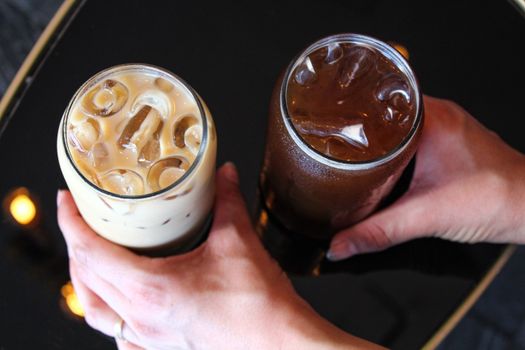
When I first encountered nitro cold brew at a small Portland coffee shop in 2018, the barista warned me it would "ruin regular cold brew forever." She wasn't kidding. That first sip of Stumptown's nitrogen-infused cold brew—with its impossibly smooth texture and cascading foam that looked like a miniature Guinness—hooked me instantly. Little did I know I was witnessing the early stages of what would become one of coffee's most explosive market trends.
The Numbers Don't Lie: Unprecedented Growth
The nitro cold brew market has experienced nothing short of phenomenal growth. According to industry research, the global nitro cold brew market jumped from $117 million in 2018 to over $800 million by 2023—a staggering 584% increase in just five years. This isn't just a trendy coffee shop novelty anymore; it's a legitimate market force reshaping how we think about cold coffee.
The United States leads this charge, accounting for roughly 65% of global nitro cold brew consumption. Major metropolitan areas like San Francisco, New York, and Seattle show the highest per-capita consumption rates, with some specialty cafes reporting that nitro cold brew now represents 25-30% of their total cold beverage sales.
What's Driving This Caffeine-Fueled Frenzy?
The Instagram Effect
Social media has played an undeniable role in nitro's rise. The drink's photogenic cascade effect—those mesmerizing nitrogen bubbles that create a creamy head—generates natural social media buzz. Coffee shops report that nitro cold brew posts receive 40% more engagement than regular coffee photos on Instagram.
Texture That Converts Skeptics
I've watched countless customers try nitro cold brew for the first time, and the reaction is almost always the same: surprise followed by immediate conversion. The nitrogen infusion creates a creamy, almost beer-like mouthfeel without adding any dairy or sweeteners. This smooth texture appeals to health-conscious consumers who want indulgence without the calories.
Premium Pricing Acceptance
Consumers have shown remarkable willingness to pay premium prices for nitro cold brew. While regular cold brew might cost $3-4, nitro versions command $5-7 per cup. This pricing strategy has proven sustainable because customers perceive genuine added value in the unique preparation method and superior taste experience.
The Technology Behind the Trend
Equipment Evolution
The nitro cold brew market explosion wouldn't be possible without corresponding equipment innovations. When I first tried to recreate nitro cold brew at home using a whipped cream dispenser and nitrogen cartridges, the results were disappointing—the texture was close, but the cascade effect lasted mere seconds rather than the dramatic minute-long pour you get from professional systems.
Commercial nitro systems have evolved rapidly. Modern units from companies like Cornelius and Micro Matic can maintain proper pressure and temperature while delivering consistent nitrogen infusion. These systems typically cost $2,000-5,000, but the return on investment for coffee shops has proven compelling.
For home enthusiasts, Fellow's approach to nitro equipment has made the experience more accessible. Their compact systems, while still requiring significant investment, bring commercial-quality results to serious home brewers.
Cold Brew Base Requirements
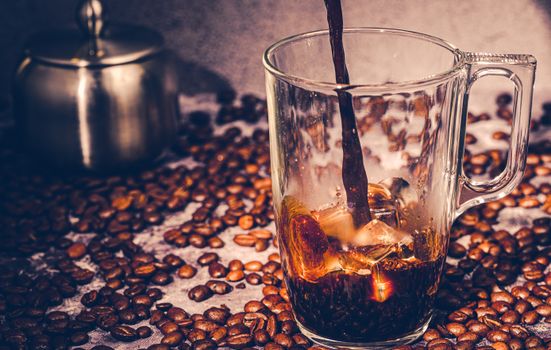
Nitro's success depends heavily on exceptional cold brew concentrate. The brewing process typically requires a 1:4 or 1:5 coffee-to-water ratio, with 12-24 hour steeping times. This creates a strong, smooth base that can handle nitrogen dilution while maintaining flavor integrity.
Market Segmentation and Consumer Demographics
The Millennial and Gen Z Factor
Market research consistently shows that 18-34 year-olds drive nitro cold brew consumption. This demographic values both the experience and the Instagram-worthy presentation. They're also more willing to experiment with new coffee preparations and pay premium prices for quality.
Regional Variations
While coastal cities led early adoption, nitro cold brew has spread rapidly to secondary markets. Cities like Austin, Nashville, and Denver now show consumption patterns similar to traditional coffee capitals. This geographic expansion has been crucial to the market's explosive growth.
The Supply Chain Revolution
From Craft to Commercial
Initially, nitro cold brew remained primarily in specialty coffee shops. However, major retailers have embraced the trend. Whole Foods, Target, and even gas station chains now stock bottled nitro cold brew from brands like La Colombe and Starbucks.
The canned and bottled nitro market represents perhaps the most significant growth opportunity. Beverage industry analysts project this segment will reach $2.3 billion by 2027, driven by convenience and wider distribution.
Quality Control Challenges
Packaging nitro cold brew presents unique challenges. The nitrogen must remain properly dissolved while maintaining the signature cascade effect when opened. Successful brands have invested heavily in specialized canning equipment and quality control processes to ensure consistent results.
Menu Strategy Evolution
Smart coffee shop operators have leveraged nitro cold brew as a differentiator. Rather than simply offering basic nitro, many create signature drinks with flavored syrups, unique coffee origins, or seasonal variations. This approach maximizes the premium pricing opportunity while building customer loyalty.
Equipment Investment Considerations
For coffee shops considering nitro systems, the math often works in their favor. Despite higher upfront costs, the premium pricing and increased customer traffic typically provide payback within 12-18 months. However, shops must also factor in ongoing nitrogen supply costs and the need for specially trained staff.
Looking Forward: Market Maturation
Innovation Opportunities
The nitro cold brew market continues evolving. Recent innovations include ready-to-drink options with extended shelf life, nitro coffee cocktails, and even nitro hot coffee experiments. Some roasters are exploring different gas combinations to create unique texture profiles.
Sustainability Concerns
As the market matures, sustainability questions are gaining attention. Nitrogen production and disposal of pressurized containers create environmental considerations that forward-thinking brands are beginning to address through improved recycling programs and more efficient equipment.
Market Saturation Reality
While growth has been explosive, market analysts note signs of maturation in early-adoption markets. Success increasingly depends on execution quality rather than novelty. This shift favors established players with superior supply chains and brand recognition.
The Competitive Landscape
Major coffee chains have fully embraced nitro cold brew. Starbucks expanded their nitro offerings nationwide, while Dunkin' tested nitro options in select markets. Independent roasters must now compete on quality and uniqueness rather than simply offering the novel experience.
Subscription services like Trade Coffee have also adapted, partnering with roasters who specialize in cold brew-optimized beans. This development helps serious home brewers access the high-quality coffee necessary for excellent nitro results.
What This Means for Coffee Culture
The nitro cold brew explosion represents more than just a beverage trend—it signals coffee culture's continued evolution toward experience-driven consumption. Customers increasingly value not just caffeine delivery, but memorable, shareable moments.
This shift has implications beyond nitro itself. It demonstrates consumer willingness to embrace innovation and pay premium prices for genuinely superior experiences. Smart coffee businesses are applying these lessons to other offerings, from specialty brewing methods to unique flavor combinations.
The nitro cold brew market explosion has fundamentally changed coffee shop economics and consumer expectations. As the trend matures, success will increasingly depend on execution quality, brand differentiation, and sustainable business practices. For coffee enthusiasts, this means more options, better quality, and continued innovation in one of coffee's most exciting segments.