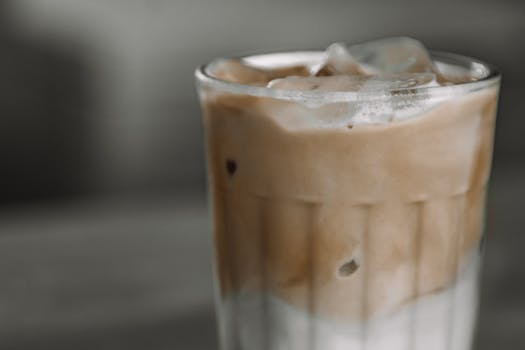
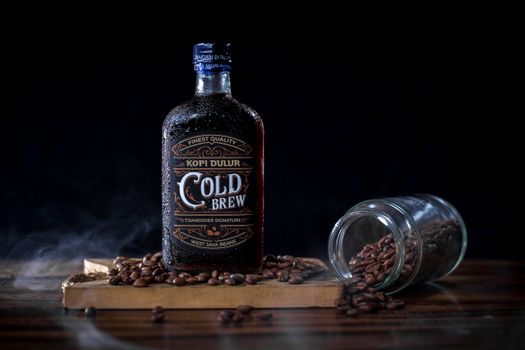
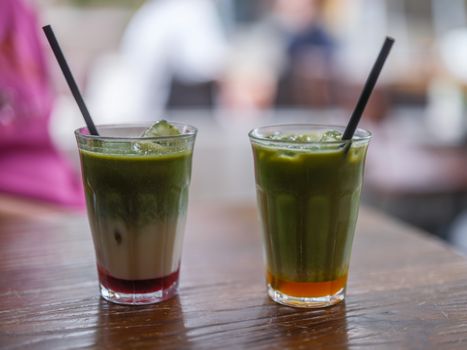
The coffee industry is experiencing a seismic shift, and it's happening in the refrigerated aisles of grocery stores, convenience shops, and coffee shops worldwide. Cold brew and ready-to-drink (RTD) coffee have exploded from niche products to mainstream favorites, driving unprecedented market growth that's reshaping the entire beverage landscape.
What started as a craft coffee shop curiosity has evolved into a multi-billion dollar market segment that shows no signs of slowing down. Let's dive deep into the fascinating world of cold brew and RTD coffee market growth, exploring the trends, innovations, and consumer behaviors driving this caffeinated revolution.
The Explosive Growth Numbers Behind Cold Brew and RTD Coffee
The cold brew and RTD coffee market has been on an absolute tear over the past decade. According to recent industry reports, the global RTD coffee market was valued at approximately $31 billion in 2023 and is projected to reach an astounding $42 billion by 2028, representing a compound annual growth rate (CAGR) of 6.3%.
But here's where it gets really exciting: cold brew specifically has been growing at an even more impressive rate. The cold brew coffee market, which was valued at around $1.6 billion in 2020, is expected to reach $4.2 billion by 2027 – that's a CAGR of 14.9%!
These aren't just numbers on a spreadsheet; they represent a fundamental shift in how consumers view and consume coffee. The convenience factor, combined with evolving taste preferences and lifestyle changes, has created the perfect storm for sustained growth in this segment.
Regional Market Dynamics
While North America continues to dominate the RTD coffee market (accounting for roughly 35% of global consumption), other regions are rapidly catching up:
- Asia-Pacific: Experiencing the fastest growth rate, driven by urbanization and changing consumer preferences
- Europe: Strong growth in premium RTD offerings and sustainable packaging solutions
- Latin America: Emerging as both a production hub and growing consumer market
What's Driving This Unprecedented Growth?
Several key factors are fueling the explosive growth of cold brew and RTD coffee markets:
1. The Convenience Revolution
Modern consumers are busier than ever, and the demand for grab-and-go beverages has skyrocketed. RTD coffee provides the perfect solution – premium coffee quality without the wait time. Whether it's a morning commute or an afternoon energy boost, consumers can enjoy barista-quality coffee anywhere, anytime.
2. Millennial and Gen Z Preferences
Younger consumers have fundamentally different coffee consumption patterns compared to previous generations. They're more likely to:
- Experiment with new flavors and formats
- Prioritize convenience and portability
- Seek Instagram-worthy beverages
- Value sustainability and ethical sourcing
Cold brew's smooth, less acidic profile particularly appeals to these demographics, making it a gateway beverage for new coffee drinkers.
3. Health and Wellness Trends
Cold brew coffee naturally contains higher caffeine levels and lower acidity than traditional hot coffee, appealing to health-conscious consumers. Many RTD options also feature:
- Plant-based milk alternatives
- Reduced sugar formulations
- Added functional ingredients (protein, vitamins, adaptogens)
- Organic and fair-trade certifications
Innovation and Product Development Trends
The cold brew and RTD coffee space has become a hotbed of innovation, with brands constantly pushing boundaries to capture consumer attention and market share.
Flavor Innovation
Gone are the days when RTD coffee meant basic black coffee or vanilla latte. Today's market features an incredible array of flavors:
- Seasonal specialties (pumpkin spice, peppermint mocha)
- International influences (Vietnamese iced coffee, Mexican horchata)
- Functional blends (mushroom coffee, protein-enhanced varieties)
- Plant-forward options (oat milk lattes, coconut cold brew)
Packaging Innovation
Packaging plays a crucial role in the RTD coffee market, with brands investing heavily in:
- Sustainable packaging materials
- Eye-catching design elements
- Functional packaging (resealable cans, portion control)
- Premium positioning through packaging aesthetics
Brewing Technology Advances
The quality of RTD coffee has improved dramatically thanks to advances in:
- Cold extraction techniques
- Flash-chilling technology
- Nitrogen infusion systems
- Extended shelf-life preservation methods
For coffee enthusiasts looking to create their own premium cold brew at home, brands like Fellow offer exceptional cold brew makers and equipment that rival commercial operations.
Market Segmentation and Consumer Behavior
Premium vs. Mass Market
The RTD coffee market has clearly segmented into distinct tiers:
Premium Segment: Features craft coffee brands, specialty ingredients, and premium packaging. This segment commands higher margins and strong brand loyalty.
Mass Market Segment: Focuses on affordability, wide distribution, and familiar flavors. While margins are lower, volume makes up for profitability.
Distribution Channels
RTD coffee success depends heavily on distribution strategy:
- Convenience stores: Largest volume channel, particularly for grab-and-go consumption
- Grocery retail: Growing segment with focus on multi-packs and family-size options
- Coffee shops: Premium positioning and brand credibility building
- E-commerce: Rapidly growing, especially for subscription services
For those interested in exploring premium coffee subscriptions, Trade Coffee offers an excellent way to discover new RTD and cold brew options from top roasters.
Challenges and Opportunities in the Growing Market
Current Market Challenges
Supply Chain Complexity: RTD coffee requires sophisticated cold chain logistics and has shorter shelf lives than traditional packaged beverages.
Competition Intensity: The success of the category has attracted major beverage companies, increasing competition for shelf space and consumer attention.
Sustainability Concerns: Growing consumer awareness about packaging waste and environmental impact requires ongoing innovation in sustainable packaging solutions.
Emerging Opportunities
Functional Coffee: Adding health benefits through protein, vitamins, or adaptogens represents a significant growth opportunity.
International Expansion: Many successful RTD coffee brands are just beginning to explore international markets.
Direct-to-Consumer Growth: E-commerce and subscription models offer higher margins and better consumer data.
The Role of Technology and E-commerce
Digital transformation is playing an increasingly important role in cold brew and RTD coffee market growth. Key developments include:
Subscription Services
Subscription models are becoming increasingly popular, offering consumers:
- Convenience of regular delivery
- Discovery of new brands and flavors
- Often better pricing than retail
- Personalization based on preferences
Smart Packaging
Some brands are experimenting with QR codes and smart packaging that connects consumers to:
- Origin stories and brewing information
- Recycling instructions
- Brand communities and exclusive content
- Loyalty programs and rewards
Data-Driven Product Development
Brands are leveraging consumer data to:
- Identify trending flavors before they hit mainstream
- Optimize packaging and positioning
- Predict seasonal demand patterns
- Personalize marketing messages
Future Outlook and Predictions
Looking ahead, several trends are likely to shape the continued growth of the cold brew and RTD coffee market:
Sustainability Will Become Table Stakes
Environmental consciousness isn't just a trend – it's becoming a requirement. Successful brands will need to address:
- Carbon-neutral production processes
- Fully recyclable or compostable packaging
- Ethical sourcing practices
- Local production to reduce transportation impact
Functional Beverages Will Mainstream
The line between coffee and functional beverages will continue to blur, with more products featuring:
- Protein for post-workout recovery
- Adaptogens for stress management
- Vitamins and minerals for daily nutrition
- Probiotics for digestive health
Premium-ization Will Accelerate
Consumers are increasingly willing to pay more for:
- Single-origin coffee experiences
- Artisanal brewing methods
- Unique flavor profiles
- Sustainable and ethical production
Technology Integration Will Deepen
Expect to see more:
- AI-driven flavor development
- IoT-enabled supply chain optimization
- Blockchain for transparency and traceability
- AR/VR for immersive brand experiences
For coffee enthusiasts wanting to stay ahead of these trends, having quality equipment at home becomes increasingly important. Amazon offers a wide selection of cold brew makers, storage containers, and accessories to help you experiment with the latest techniques and flavors.
Conclusion: The Future is Cold (Brewed)
The cold brew and RTD coffee market growth story is far from over. What we're witnessing is a fundamental shift in coffee consumption patterns, driven by changing lifestyles, evolving preferences, and continuous innovation.
For consumers, this means more choices, better quality, and greater convenience than ever before. For the industry, it represents both enormous opportunities and significant challenges as brands compete for share in this rapidly expanding market.
Whether you're a casual coffee drinker or a serious enthusiast, the cold brew and RTD revolution offers something for everyone. The market's trajectory suggests we're still in the early innings of this growth story, with the most exciting innovations and developments yet to come.
As we look toward the future, one thing is clear: cold brew and RTD coffee have moved from trend to permanent fixture in the global beverage landscape, and their influence on coffee culture will only continue to grow.