To understand where specialty coffee came from, we need to appreciate what it rebelled against. The first wave of coffee was all about convenience and mass production. Companies like Folgers (founded 1850) and Maxwell House (1892) built empires on pre-ground, vacuum-sealed coffee that prioritized shelf stability over flavor.
This era gave us instant coffee (1901), the percolator, and the phrase "good to the last drop." Coffee was treated purely as a caffeine delivery system—a morning necessity rather than a sensory experience. Quality was measured by consistency and price point, not origin or processing method.
The first wave reached its peak during World War II when instant coffee became standard military rations, cementing America's relationship with convenience over craft.
The Spark: Peet's Coffee and the Quality Revolution (1966)
The specialty coffee movement began with one man's dissatisfaction with American coffee: Alfred Peet. A Dutch immigrant who had grown up around high-quality European coffee, Peet opened his first store in Berkeley, California, in 1966. His revolutionary approach focused on four key principles:
- Fresh roasting: Beans roasted in small batches within days of sale
- Dark roasts: Fuller, more complex flavors than the light roasts dominating America
- Single origins: Coffee from specific regions rather than anonymous blends
- Education: Teaching customers about coffee origins and brewing methods
Peet's success proved Americans would pay premium prices for superior coffee. More importantly, three of Peet's early employees—Jerry Baldwin, Zev Siegl, and Gordon Bowker—would go on to found Starbucks in Seattle in 1971.
The Second Wave: Starbucks and the Coffee Shop Culture (1970s-1990s)
Starbucks initially followed Peet's model, selling whole beans and focusing on dark roasts. But under Howard Schultz's leadership (he joined in 1982), Starbucks shifted toward creating an "Italian coffee culture" in America. This second wave brought:
The Espresso Revolution
Starbucks introduced millions of Americans to espresso-based drinks. Lattes, cappuccinos, and frappuccinos became mainstream, creating an entirely new vocabulary around coffee consumption.
The "Third Place" Concept
Coffee shops became social spaces between home and work, complete with comfortable seating, Wi-Fi, and ambient music. This transformed coffee from a quick morning ritual into an all-day social experience.
Standardization and Expansion
By the 1990s, Starbucks had perfected a replicable model that could deliver consistent (if not exceptional) coffee experiences across thousands of locations worldwide.
The second wave succeeded in making coffee culture mainstream, but it also revealed the limitations of industrialized approaches to quality.
The Third Wave Emerges: Coffee as Craft (1990s-Present)
The Pioneers
While Starbucks dominated the mainstream, a new generation of coffee professionals began pushing beyond second wave limitations. Key pioneers included:
George Howell founded Coffee Connection in 1975, focusing on direct trade relationships and lighter roasts that highlighted origin characteristics rather than masking them.
Trish Rothgeb coined the term "third wave coffee" in 2002, articulating a movement that treated coffee like wine—emphasizing terroir, processing methods, and seasonal variations.
James Hoffman and other competitors from the World Barista Championship (started 2000) elevated coffee preparation to performance art, inspiring a generation of coffee professionals.
Third Wave Characteristics
The third wave distinguished itself through several key innovations:
Origin Transparency: Single-origin coffees with detailed information about farms, elevation, processing methods, and harvest dates
Lighter Roasts: Roast profiles designed to highlight rather than dominate the bean's natural characteristics
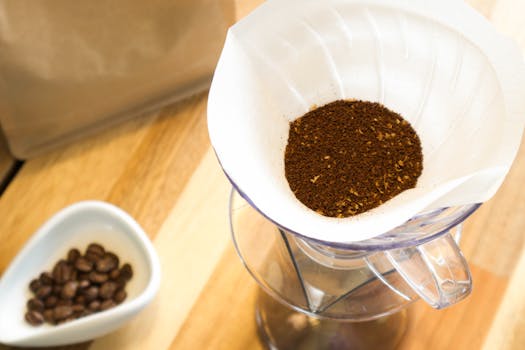
Precision Brewing: Manual brewing methods like pour-over, AeroPress, and siphon brewing that allowed for precise control over variables
Direct Trade: Relationships between roasters and farmers that bypass traditional commodity markets
Seasonal Menus: Coffee offerings that change based on harvest cycles, similar to farm-to-table restaurants
The Science Behind the Movement
Cupping and Quality Standards
The Specialty Coffee Association (formed from the merger of SCAA and SCAE in 2017) established rigorous cupping protocols and scoring systems. Coffee scoring 80+ points on a 100-point scale qualifies as "specialty grade," creating objective quality standards.
Understanding Extraction
Third wave coffee obsessed over extraction ratios, total dissolved solids (TDS), and brewing parameters. Tools like refractometers became common in coffee shops, allowing baristas to measure extraction scientifically.
I remember testing my first VST refractometer at a Portland coffee shop in 2015—the precision felt almost absurd compared to the "taste and adjust" approach I'd learned, but the consistency it delivered was undeniable.
Technology and Innovation
Companies like Fellow revolutionized home brewing equipment with products like the Stagg EKG kettle and Ode grinder, bringing café-quality precision to home kitchens. Amazon's vast selection made these specialized tools accessible to enthusiasts nationwide.
Global Impact and Cultural Shifts
Coffee as Agriculture
The specialty movement transformed how we think about coffee farming. Terms like "microlot," "honey process," and "natural fermentation" entered common vocabulary. Coffee farms became tourist destinations, and farmers gained recognition as craftspeople rather than anonymous commodity producers.
The Subscription Revolution
Services like Trade Coffee emerged to solve the freshness problem, connecting home brewers with recently roasted beans from small-batch roasters nationwide. This democratized access to specialty coffee beyond major metropolitan areas.
Environmental and Social Consciousness
Third wave coffee coincided with growing awareness of sustainability issues. Certifications like Fair Trade, Organic, and Bird Friendly became important considerations for conscious consumers.
Challenges and Criticisms
Accessibility Concerns
Specialty coffee's emphasis on premium pricing and complex preparation methods raised questions about elitism and accessibility. A $5 pour-over requires both disposable income and leisure time that many consumers lack.
Over-Extraction of Tradition
Some critics argue the movement appropriates coffee traditions from producing countries while focusing primarily on Western consumption preferences.
Sustainability vs. Quality
The focus on exotic processing methods and rare varieties sometimes conflicts with sustainable farming practices and farmer economics.
The Future: Fourth Wave and Beyond
Emerging trends suggest coffee culture continues evolving:
Technology Integration: Smart brewing devices, app-controlled equipment, and AI-powered roasting profiles
Health and Functionality: Cold brew concentrate, mushroom coffee, and other functional beverages
Hyperlocal Focus: Neighborhood roasters and ultra-small batch operations
Climate Adaptation: New varietals and processing methods addressing climate change impacts on traditional growing regions
When I compare today's coffee landscape to that Blue Bottle experience 15+ years ago, the democratization is striking. High-quality coffee is more accessible than ever, whether through subscription services, improved home equipment, or the proliferation of skilled independent roasters in smaller cities.
The specialty coffee movement succeeded in transforming coffee from commodity to craft, but perhaps more importantly, it changed how we think about quality, transparency, and the connection between producers and consumers. What started as a rebellion against instant coffee became a blueprint for artisan food movements across categories—from craft beer to small-batch chocolate.
The history of specialty coffee isn't just about better-tasting coffee; it's about reclaiming craftsmanship in an industrialized world and proving that consumers will support quality when they understand its value.