When I first stepped into Café Central in Vienna three years ago, sipping a perfectly prepared melange while surrounded by centuries-old marble columns and worn wooden chairs, I realized I was experiencing the direct descendant of the world's first true coffee shop culture. The journey from those ornate Viennese coffeehouses to the minimalist, pour-over focused shops of Seattle represents one of the most fascinating cultural migrations in modern history.
The Birth of Coffee Culture: Vienna's Golden Beginning (1680s)
The story begins not with coffee beans, but with a siege. In 1683, when Ottoman forces retreated from Vienna after their failed conquest, they left behind sacks of mysterious dark beans that locals initially mistook for animal feed. Franz Georg Kolschitzky, a Polish-Austrian merchant who had lived in Turkey, recognized these as coffee beans and opened Vienna's first coffeehouse.
But Kolschitzky did more than just serve coffee—he created an entirely new social institution. Unlike the Turkish coffee culture that focused on quick consumption, Viennese coffeehouses became "schools of life" where patrons could spend hours reading newspapers, playing chess, writing, and engaging in intellectual discourse. The concept of lingering over coffee, rather than drinking it as mere fuel, was born in these marble-clad halls.
By the 18th century, Vienna boasted over 600 coffeehouses, each developing its own personality and clientele. Café Griensteidl became the gathering place for writers like Hugo von Hofmannsthal, while Café Museum attracted artists and architects. This wasn't just about serving coffee—it was about creating cultural ecosystems.
The European Expansion: Coffee Culture Spreads Across Continents
Paris: The Café as Political Theater
French café culture took a decidedly different path from Vienna's contemplative atmosphere. Café de Flore and Les Deux Magots became stages for political revolution and artistic rebellion. During my research trip to Paris last summer, I spent an afternoon at Café de Flore recreating Simone de Beauvoir's daily routine—she would arrive at 9 AM sharp, claim her corner table, and write for hours while nursing endless cups of café au lait.
Parisian cafés pioneered the concept of coffee as social lubricant for revolution. The French Revolution itself was partly planned in coffeehouses, where citizens gathered to read pamphlets and debate politics away from royal surveillance.
London: Coffee Houses as Information Exchanges
London's coffee culture emerged simultaneously but distinctly. Lloyd's of London, the famous insurance market, began as Edward Lloyd's Coffee House in 1688, where merchants gathered to trade shipping information. London coffeehouses became known as "penny universities"—for the price of a cup of coffee, anyone could access newspapers, engage in debate, and conduct business.
The English approach was more utilitarian than the leisurely Viennese model, emphasizing coffee houses as centers of commerce and information rather than pure social gathering.
The Atlantic Crossing: Coffee Culture Comes to America
Colonial Beginnings and the Boston Tea Party Effect
Coffee shops arrived in colonial America through European immigrants, but initially struggled against established tea culture. Everything changed in 1773. The Boston Tea Party didn't just dump tea into the harbor—it fundamentally shifted American beverage preferences. Coffee became a patriotic drink, and coffeehouses transformed into meeting places for revolutionaries.
The Merchant's Coffee House in New York City, established in 1737, became the unofficial headquarters for American independence planning. These weren't the leisurely social clubs of Vienna, but urgent meeting places for a nation in formation.
The Industrial Revolution: Coffee Goes Democratic
The 19th century democratized coffee consumption in America. As industrialization created urban working classes with limited time, quick-service coffee counters emerged. This marked the first major departure from European coffeehouse tradition—American coffee culture began prioritizing speed and efficiency over social lingering.
By the 1950s, American "coffee shops" had evolved into diners and quick-service establishments that bore little resemblance to their European ancestors. Coffee became a commodity rather than a cultural experience.
Seattle's Revolution: The Third Wave Awakening
Starbucks and the Second Wave Foundation
Seattle's coffee revolution didn't happen overnight. When Starbucks opened in Pike Place Market in 1971, it initially sold only coffee beans and equipment, not prepared drinks. The transformation came when Howard Schultz visited Italian espresso bars in 1983 and experienced what he called a "revelation." He envisioned bringing Italian coffee bar culture to America.
However, Schultz's vision differed significantly from traditional European coffeehouses. Where Vienna emphasized lingering and social interaction, Starbucks optimized for efficiency and standardization. The "second wave" coffee movement that Starbucks led focused on espresso-based drinks and coffee as a lifestyle brand rather than coffee as a social institution.
The Third Wave Emerges: Coffee as Craft
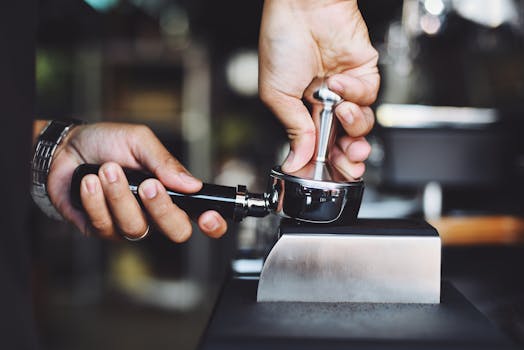
Seattle's true revolutionary moment came in the early 2000s with the emergence of "third wave" coffee culture. Companies like Victrola Coffee Roasters and Analog Coffee began treating coffee like wine—emphasizing terroir, processing methods, and brewing techniques. When I visited Victrola's Capitol Hill location in 2022, I watched baristas spend five minutes calibrating their Fellow Ode grinder for a single pour-over, explaining the bean's origin story with the passion typically reserved for craft beer or fine wine.
This movement represented a return to coffee's artisanal roots while incorporating modern understanding of extraction science. Unlike Vienna's focus on social space or Starbucks' emphasis on convenience, third wave coffee prioritized the beverage itself as a craft worthy of deep study and respect.
Seattle's Influence Goes Global
Seattle's third wave movement didn't stay local. Blue Bottle Coffee, Intelligentsia, and Counter Culture Coffee exported this approach nationwide. The movement emphasized:
- Single-origin beans with traceable provenance
- Precise brewing methods and equipment
- Baristas as skilled craftspeople rather than service workers
- Coffee shops as showcases for brewing technique
This represented a full circle back to coffee's artisanal origins, but with modern scientific precision.
The Modern Coffee Shop: Synthesis and Evolution
Today's coffee shops synthesize elements from across this historical spectrum. A modern specialty coffee shop might feature:
- Vienna's emphasis on social space and lingering
- Paris's intellectual atmosphere and cultural programming
- London's function as informal office space
- America's efficiency and standardization
- Seattle's craft focus and brewing precision
The Equipment Evolution: From Turkish Pots to Precision Brewing
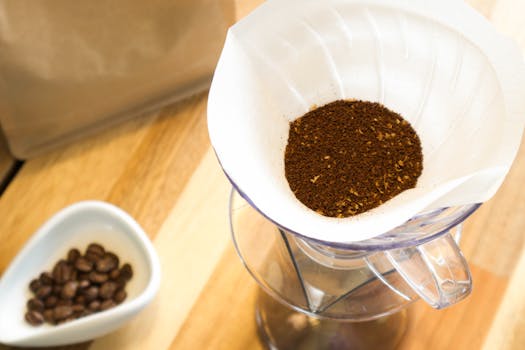
The technological evolution parallels cultural changes. Vienna's coffeehouses used simple percolation methods. Industrial America embraced automatic drip machines for efficiency. Seattle's third wave movement rediscovered manual brewing methods but with scientific precision—using equipment from companies like Fellow that would make 18th-century Viennese baristas weep with envy.
For home enthusiasts wanting to explore this history, Trade Coffee offers subscriptions featuring beans from roasters representing different waves of coffee culture, allowing you to taste the evolution from your own kitchen.
Looking Forward: Coffee Culture's Next Chapter
The pandemic accelerated coffee culture's next evolution. Remote work culture has created demand for "third places" that blend Vienna's social function with modern connectivity needs. Specialty coffee shops now compete not just on beverage quality but on WiFi speed, power outlet availability, and acoustic design for video calls.
Seattle continues leading this evolution, with newer shops experimenting with subscription models, coffee education programs, and hybrid retail concepts that would seem familiar to Vienna's original coffeehouse operators—spaces designed for community, learning, and the simple pleasure of exceptional coffee.
The journey from Vienna's marble columns to Seattle's precision brewing represents more than beverage evolution—it's the story of how societies create and recreate spaces for human connection, one perfect cup at a time.