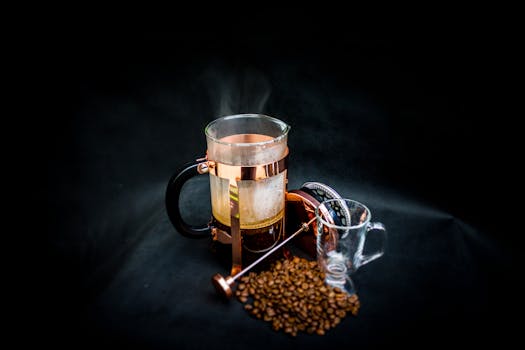
Sitting in a tiny Roman café last spring, watching locals down their morning espresso in exactly 47 seconds while standing at the marble counter, I realized something profound: coffee isn't just a beverage—it's a cultural fingerprint. Each country I've visited tells its coffee story differently, but none more dramatically than Italy, Japan, and Ethiopia.
These three nations represent coffee's most fascinating cultural expressions. Ethiopia gave us the bean itself, Italy perfected the espresso ritual, and Japan elevated brewing to an art form. Let me take you through what makes each coffee culture extraordinary.
Ethiopia: Where It All Began
Ethiopia isn't just another coffee-producing country—it's literally where coffee was discovered. The legend of Kaldi the goat herder might be folklore, but Ethiopia's relationship with coffee dates back over 1,000 years, making it the birthplace of our beloved beverage.
The Sacred Coffee Ceremony
The Ethiopian coffee ceremony is unlike anything you've experienced at your local café. This ritual can take up to three hours and serves as the social backbone of Ethiopian communities. Women typically lead the ceremony, washing green coffee beans by hand before roasting them over an open flame.
What struck me most during my first ceremony in Addis Ababa was the deliberate pace—no rushing, no multitasking, just pure focus on the coffee and conversation. The hostess roasted the beans until they reached the perfect shade of brown, then ground them using a traditional mortar and pestle called a mukecha.
The brewing happens in a clay pot called a jebena, and the coffee is served in three rounds: Abol (first), Tona (second), and Baraka (third, meaning blessing). Each round gets progressively weaker, but the social bonds get stronger.
Traditional Brewing Methods
- Jebena brewing: Clay pot brewing over charcoal
- Roasting ritual: Fresh roasting before each ceremony
- Community focus: Coffee as social glue, not individual consumption
- Three-round service: Symbolic progression through the ceremony
Italy: The Espresso Empire
If Ethiopia gave us coffee, Italy gave us the rules. Italian coffee culture operates on unwritten laws that locals follow religiously, and tourists violate constantly.
The Espresso Commandments
Italians drink cappuccino only in the morning—never after 11 AM, and definitely never after meals. Ordering a cappuccino after dinner marks you as a tourist faster than a fanny pack. Espresso, on the other hand, is consumed throughout the day, often as a quick social ritual.
The Bar Culture
Italian "bars" aren't what Americans expect. They're coffee shops that serve alcohol, pastries, and most importantly, perfect espresso. The morning routine is sacred: locals stop by their neighborhood bar, exchange pleasantries with the barista (who knows their order by heart), consume their coffee standing up, and leave within minutes.
When I tested this theory in Milan, timing my espresso consumption at five different bars, the average was 2 minutes and 15 seconds from entry to exit. Italians don't linger over coffee—they integrate it seamlessly into their daily rhythm.
Italian Coffee Innovations
- Espresso machine invention: Luigi Bezzera's 1901 patent changed everything
- Moka pot: Bialetti's stovetop espresso maker in every Italian home
- Regional variations: Roman coffee differs from Neapolitan style
- Standing tradition: Sitting costs more, standing builds community
Japan: Precision and Perfection
Japanese coffee culture represents the opposite of Italy's quick consumption model. Here, coffee is meditation, precision, and artistic expression rolled into one experience.
The Third Wave Before the Third Wave
Japan embraced specialty coffee decades before the "third wave" movement hit the West. Japanese coffee shops in the 1960s were already focusing on single origins, precise brewing methods, and coffee as an experience rather than fuel.
Kissaten Culture
Traditional Japanese coffee shops, called kissaten, offer something rare in our fast-paced world: time. These establishments encourage lingering, often providing newspapers, books, and classical music. Some kissaten have been serving the same customers for decades, creating coffee communities that span generations.
Japanese Brewing Mastery
Japanese baristas approach coffee with the same precision they apply to tea ceremony or sushi preparation. Every variable is controlled: water temperature (exactly 92°C), grind size (measured to the gram), pour pattern (practiced until muscle memory takes over).
The siphon method, while invented in Germany, reached its artistic peak in Japan. Watching a Japanese barista work a siphon is like watching a scientist conduct an elegant experiment. The Hario V60, now popular worldwide, originated from Japanese attention to extraction detail.
Unique Japanese Coffee Methods
- Siphon brewing: Theatrical and precise extraction method
- Nel drip: Flannel filter brewing for smooth, clean coffee
- Ice drip: Slow, cold extraction taking 8-12 hours
- Hand drip perfection: Precise pouring techniques and timing
Comparing Coffee Philosophies
Speed vs. Contemplation
Italy treats coffee as efficient fuel—quick, strong, and social. Ethiopia views coffee as ceremony and community building. Japan sees coffee as meditation and precision craft. These approaches aren't better or worse; they reflect each culture's relationship with time and ritual.
Social Dynamics
Ethiopian coffee ceremonies strengthen community bonds through shared ritual. Italian bar culture creates brief but meaningful social connections. Japanese kissaten provide spaces for solitary reflection or intimate conversation.
Quality Approaches
Ethiopians focus on freshness and traditional preparation methods. Italians emphasize consistency and proper execution of classic drinks. Japanese prioritize precision, technique, and equipment quality.
Modern Influences and Global Impact
How These Cultures Shaped Global Coffee
Ethiopian varietals now appear on specialty coffee menus worldwide. Italian espresso machines dominate professional coffee equipment. Japanese brewing methods influence third-wave coffee shops globally.
Equipment and Tools
For experiencing these coffee cultures at home, consider investing in quality equipment. Fellow makes excellent pour-over gear that captures Japanese precision, while traditional Italian moka pots bring authentic flavor to your kitchen. You can find both on Amazon, along with Ethiopian jebena sets for those wanting to try the full ceremony experience.
Subscription Services
Trade Coffee offers beans from all three regions, allowing you to explore Ethiopian single origins, Italian roast styles, and Japanese-style light roasts from the comfort of your home.
Learning From Three Masters
Each coffee culture teaches valuable lessons. Ethiopia shows us that coffee builds community when we slow down and share the experience. Italy demonstrates that quality coffee can be part of daily life without complexity or pretension. Japan proves that attention to detail and respect for craft elevate the ordinary into art.
The beauty lies not in choosing one approach over others, but in understanding how different cultures have solved the same problem: how to make coffee meaningful. Whether you prefer the communal warmth of Ethiopian ceremony, the efficient elegance of Italian bars, or the meditative precision of Japanese brewing, each tradition offers wisdom worth incorporating into your own coffee journey.
Next time you brew coffee, consider which cultural approach resonates with your mood. Need community? Try slowing down and sharing the process. Want efficiency? Channel Italian bar culture. Seeking mindfulness? Apply Japanese attention to detail. Coffee becomes richer when we understand its cultural depth.