Gear

How to Froth Milk Without a Machine: 6 Easy Methods

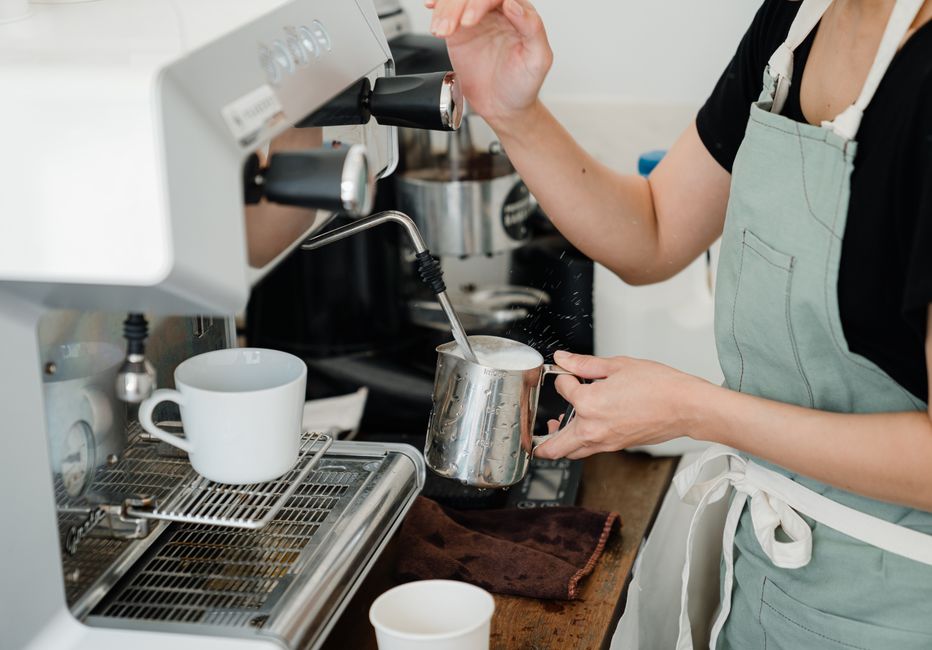
Crop faceless young female barista in apron steaming milk in steel pot using modern cappuccino machine
Photo by Ketut Subiyanto on Pexels

There's nothing quite like that perfect layer of creamy, velvety foam crowning your morning latte. But what if you don't have a fancy espresso machine with a steam wand? Don't worry – creating beautiful milk foam at home is absolutely possible without expensive equipment!

Whether you're a coffee enthusiast on a budget or simply want to master some manual techniques, I'll show you six proven methods to froth milk using common household items. These techniques will have you creating café-quality foam in no time.

Why Froth Milk at Home?

Affiliate Disclosure: This article contains affiliate links. If you buy through these links, we may earn a small commission at no extra cost to you. We only recommend products we genuinely believe in. Learn more →

Frothed milk transforms ordinary coffee into something special. The microfoam adds a luxurious texture and helps balance the bold flavors of espresso. Plus, mastering these manual techniques gives you complete control over your foam consistency – something even expensive machines don't always guarantee.

The best part? You probably already have everything you need in your kitchen right now!

What Makes Good Milk Foam?

Before diving into the methods, let's understand what creates perfect foam. Good milk foam should be:

  • Creamy and smooth with tiny, uniform bubbles
  • Stable enough to hold its shape for several minutes
  • Sweet and rich in flavor
  • Glossy with a paint-like consistency

The key is incorporating air while heating the milk to create stable microfoam rather than large, soapy bubbles.

Best Milk Types for Frothing

Not all milk froths equally well. Here's what works best:

Whole milk (3.25% fat) is the gold standard. The fat content creates rich, stable foam that tastes amazing.

2% milk works well too, though the foam won't be quite as rich or stable.

Non-dairy alternatives like oat milk and soy milk can froth beautifully, while almond milk is trickier but possible.

Avoid skim milk if possible – it creates foam that's too airy and lacks richness.

Method 1: The Mason Jar Shake

What you need: Mason jar with tight lid, microwave

Time: 2-3 minutes

Difficulty: Beginner

This is hands-down the most popular manual frothing method, and for good reason – it works!

Steps:

1. Fill a mason jar halfway with cold milk (about 1/2 cup) 2. Screw the lid on tightly 3. Shake vigorously for 30-60 seconds until the milk doubles in volume 4. Remove the lid and microwave for 30 seconds 5. The foam will rise to the top while heated milk settles below 6. Spoon the foam onto your coffee and pour the warm milk

Pro tip: The microwave step is crucial – it stabilizes the foam and heats the milk simultaneously.

Method 2: The French Press Technique

What you need: French press, stovetop or microwave

Time: 3-4 minutes

Difficulty: Beginner

Your French press isn't just for coffee! The plunger mechanism makes it perfect for creating foam.

Steps:

1. Pour cold milk into the French press (fill about 1/3 full) 2. Place the lid on with the plunger pulled all the way up 3. Pump the plunger up and down rapidly for 30-60 seconds 4. Remove the lid and heat the milk in microwave for 30 seconds, or transfer to a saucepan and heat gently 5. Pour the warm milk and spoon the foam onto your coffee

Why it works: The mesh filter creates perfect agitation while containing the milk, resulting in consistent microfoam.

Method 3: Whisk Power Method

What you need: Balloon whisk, small saucepan

Time: 4-5 minutes

Difficulty: Intermediate (requires arm strength!)

This traditional method gives you complete control over the process.

Steps:

1. Heat milk in a small saucepan over medium heat until steaming (don't boil) 2. Remove from heat 3. Whisk vigorously in a circular motion for 1-2 minutes 4. The milk should become frothy and increase in volume 5. Pour immediately into your coffee

Technique tip: Use quick, circular motions and keep the whisk moving to incorporate maximum air.

Method 4: The Pump Frothing Method

What you need: Large measuring cup, small saucepan, ladle

Time: 3-4 minutes

Difficulty: Intermediate

This technique mimics the action of a manual milk frother.

Steps:

1. Heat milk in a saucepan until steaming 2. Pour into a large measuring cup 3. Insert a ladle and pump it up and down rapidly, creating a plunging motion 4. Continue for 30-60 seconds until foam forms 5. Let settle for 30 seconds, then pour

Key point: The pumping action should be quick and consistent to create stable foam.

Method 5: The Immersion Blender Hack

What you need: Immersion blender, tall container, stovetop

Time: 2-3 minutes

Difficulty: Beginner

If you have an immersion blender, this method produces excellent results quickly.

Steps:

1. Heat milk in a saucepan until steaming 2. Pour into a tall, narrow container 3. Insert the immersion blender and blend on high for 10-15 seconds 4. Move the blender up and down to incorporate air 5. Pour immediately

Safety note: Be careful with hot milk and electrical appliances – keep the blender head fully submerged.

Method 6: The Traditional Milk Pan Method

What you need: Heavy-bottomed saucepan, wooden spoon

Time: 5-6 minutes

Difficulty: Advanced

This old-school method requires patience but produces beautiful results.

Steps:

1. Pour milk into a heavy-bottomed saucepan 2. Heat over medium-low heat, stirring constantly 3. As milk warms, stir more vigorously in figure-8 patterns 4. Continue stirring as the milk begins to foam naturally 5. Remove from heat when desired foam level is reached 6. Pour immediately

Mastery tip: This method takes practice to perfect the timing and stirring technique.

Pro Tips for Perfect Foam Every Time

Temperature Matters

  • Cold milk froths better than room temperature milk
  • Optimal serving temperature is 150-160°F (65-70°C)
  • Never boil the milk – it breaks down proteins needed for stable foam

Timing is Everything

  • Use foam immediately – it starts deflating within minutes
  • Don't over-froth – 30-60 seconds of agitation is usually enough
  • Let foam settle for 30 seconds before pouring to separate from liquid milk

Equipment Care

  • Clean everything thoroughly – residue prevents proper foam formation
  • Use the right proportions – never fill containers more than halfway with milk

Troubleshooting Common Problems

Foam deflates quickly? Your milk might be too hot, or you need to froth longer.

Large bubbles instead of microfoam? Slow down your technique and ensure equipment is clean.

Not enough foam? Use colder milk and make sure you're incorporating enough air.

Foam tastes bland? Try whole milk or add a pinch of sugar before frothing.

Taking Your Coffee Game Further

Once you've mastered manual frothing, you might want to explore upgrading your coffee setup. For consistently excellent coffee beans delivered to your door, check out Trade Coffee's subscription service – they'll match you with beans from top roasters nationwide.

If you're ready to invest in proper equipment, Fellow makes exceptional manual coffee gear that bridges the gap between basic tools and expensive machines. And for any additional accessories or ingredients, Amazon has everything you need to build your perfect home coffee station.

The Joy of Manual Milk Frothing

Mastering these manual frothing techniques connects you to the craft of coffee making in a way that push-button machines simply can't. There's something deeply satisfying about creating perfect foam with nothing but basic tools and technique.

Plus, these skills make you coffee-shop independent! Whether you're camping, traveling, or simply want to impress friends with your barista skills, you'll always be able to create café-quality drinks.

Final Thoughts

Learning how to froth milk without a machine opens up a world of coffee possibilities right in your own kitchen. Whether you prefer the simplicity of the mason jar method or want to master the traditional whisk technique, each approach offers its own rewards.

Start with the mason jar method – it's foolproof and requires minimal effort. As you get comfortable, experiment with the other techniques to find your favorite. Remember, like any skill, manual milk frothing improves with practice.

Soon you'll be creating beautiful lattes, cappuccinos, and other milk-based drinks that rival your favorite coffee shop. And the best part? You'll have developed a valuable skill that will serve you well whether you ever invest in fancy equipment or not.

Now grab that mason jar and start shaking – your perfect homemade latte awaits!

☕ Brewing Methods Compared
Product Price Highlights Rating Buy
AeroPressBest Overall
Best for: Versatility & travel
$35–$45
  • Fastest brew (under 2 min)
  • Ultra portable
  • Easy to clean
★★★★★ Buy on Amazon →
Hario V60
Best for: Clarity & bright flavors
$20–$50
  • Exceptional flavor clarity
  • Beginner-friendly
  • Wide filter selection
★★★★½ Buy on Amazon →
Chemex
Best for: Clean & smooth coffee
$40–$60
  • Elegant design
  • Makes large batches
  • Very clean cup
★★★★½ Buy on Amazon →
French PressBest for Beginners
Best for: Rich, full-bodied coffee
$20–$50
  • No paper filters needed
  • Easy to use
  • Great body and oils
★★★★☆ Buy on Amazon →
Moka Pot
Best for: Espresso-style on a budget
$25–$50
  • Strong concentrated coffee
  • Stovetop — no electricity
  • Very durable
★★★★☆ Buy on Amazon →

Frequently Asked Questions

What type of milk froths best without a machine?

Whole milk (3.25% fat) froths best due to its fat content, which creates rich, stable foam. 2% milk works well too, while oat milk and soy milk are excellent non-dairy alternatives. Avoid skim milk as it creates weak, unstable foam.

How long should I shake milk in a mason jar?

Shake the mason jar vigorously for 30-60 seconds until the milk doubles in volume. Then microwave for 30 seconds to stabilize the foam and heat the milk. This two-step process is crucial for stable, long-lasting foam.

Can I froth cold milk without heating it?

While you can create foam with cold milk, it won't be as stable or taste as good as properly heated foam. The heating step (either microwave or stovetop) stabilizes the proteins and creates better texture and flavor.

Why does my homemade milk foam deflate quickly?

Foam deflates quickly when milk is too hot, under-frothed, or when using low-fat milk. Use whole milk, don't overheat (never boil), and ensure you're incorporating enough air during the frothing process.

How much milk should I use for frothing?

Never fill your container more than halfway with milk, as it needs room to expand. For one drink, use about 1/2 cup (4 oz) of milk, which will roughly double in volume when properly frothed.

MW
Marcus Webb Lead Editor & Coffee Expert

Marcus Webb spent a decade roasting and sourcing specialty coffee at independent roasteries across the Pacific Northwest before turning his passion into writing. He holds a certification from the Specialty Coffee Association (SCA) and has tested hundreds of brewing methods, grinders, and beans so you don't have to. His goal: help every home brewer pull a cup they're genuinely proud of.

Brewing Methods Grinder Reviews Bean Sourcing Espresso
Twitter Instagram Pinterest

You Might Also Like

A barista skillfully preparing coffee using a professional espresso machine indoors.
8 min read
How to Make Espresso Without a Machine: 5 Easy Methods
Two glass bottles of cold brew coffee placed on a window ledge, ready to drink.
8 min read
How to Make Cold Brew Coffee at Home: Complete Guide
A creamy pistachio milkshake topped with whipped cream and mint in a stylish glass, photographed indoors.
8 min read
Pistachio Coffee Drinks: Nutty Flavors That Actually Work